



What Are Auto Insurance Leads and How Do They Work
By Ray Advertising · Published August 3, 2026
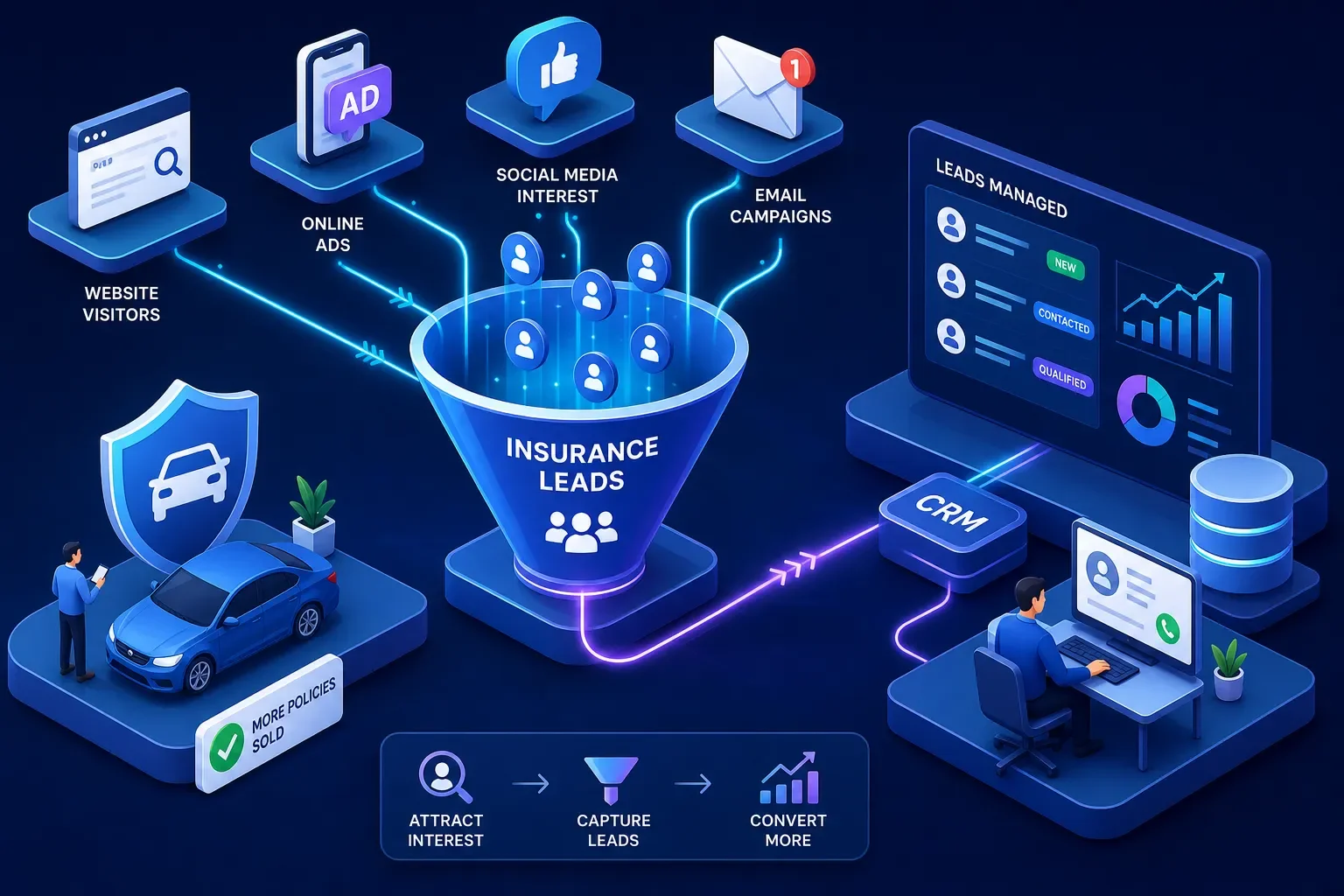
What Are Auto Insurance Leads and How Do They Work
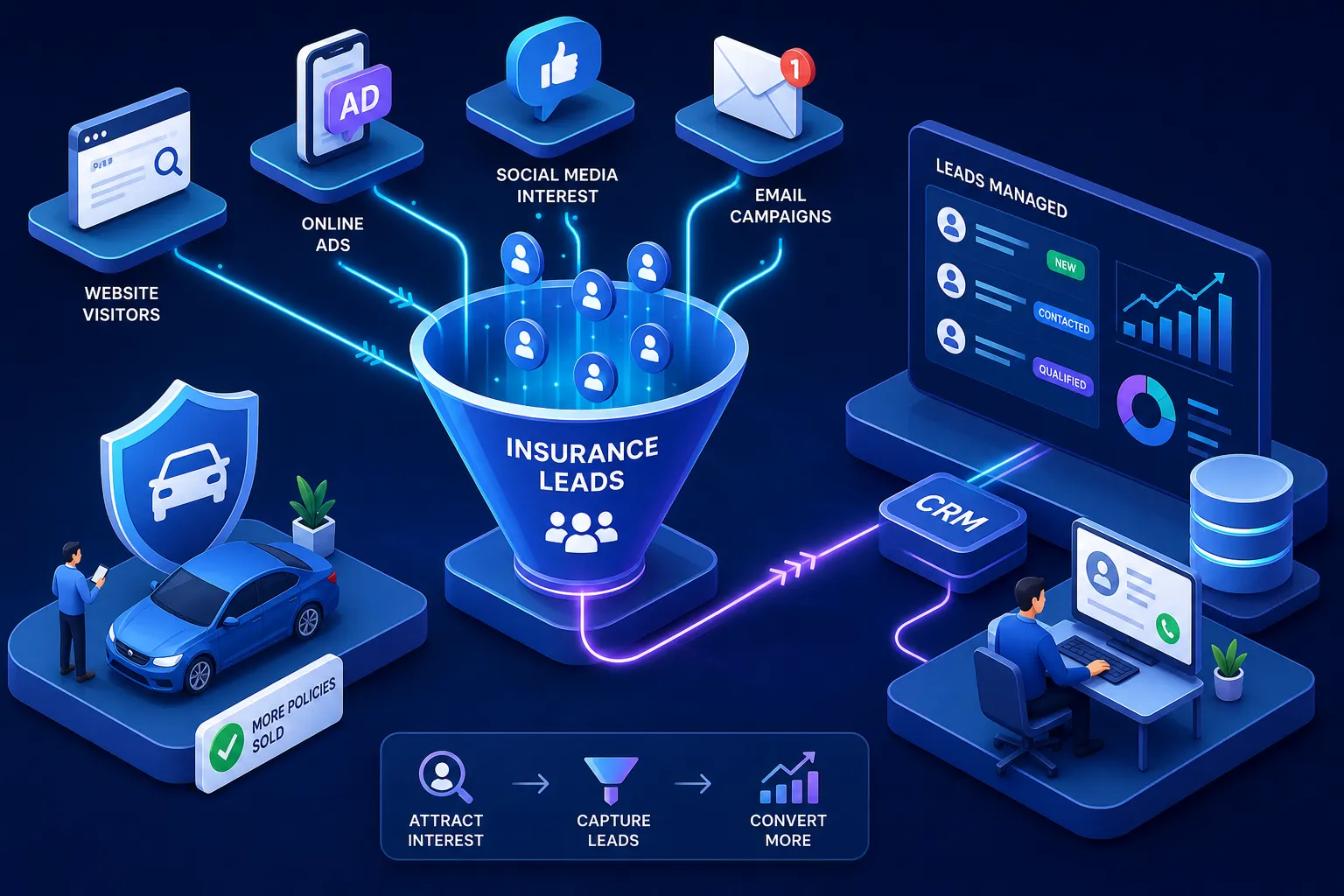
Many agents buying auto insurance leads are paying for disappointment and calling it marketing. They spend thousands every month on records that never answer the phone, never match their carrier appetite, and are often sold to multiple agents before their inbox even loads. The problem isn't the concept of buying leads. The problem is buying blindly.
Auto insurance leads are not a commodity. The source, format, verification level, and exclusivity of a lead determine everything that happens downstream: contact rate, quote rate, bind rate, and ultimately your cost per policy. Once you understand what you're actually buying, the gap between profitable lead programs and expensive guesswork becomes obvious. Platforms like Ray Advertising have raised the bar by delivering real-time, exclusive car insurance leads with verified intent and custom filtering, making the old spray-and-pray approach much harder to justify.
This guide covers what auto insurance leads actually are and where they come from. It also covers which data fields signal real quality, what you should pay and expect in return, how to test a new vendor without torching your budget, and what to demand from any partner before you commit.
What auto insurance leads actually are (and the three formats agents buy)
A lead is a consumer record, not a prospect. That distinction matters more than most agents realize. A record only becomes a workable prospect when it has verified contact data, confirmed intent, and enough qualifying detail to generate a quote without excessive back-and-forth. Many agents conflate "lead" with "sale" before the phone even rings, which inflates perceived cost-per-lead and distorts their evaluation of what's actually working.
A complete auto insurance lead record contains name, verified phone and email, garaging ZIP, vehicle details (year, make, model, annual mileage, ownership status), driver profile (date of birth, marital status, household drivers), current coverage status, and intent signals. Missing or unverified fields create re-qualification friction that kills speed-to-contact, one of the biggest drivers of conversion in this category.
The three formats agents buy break down this way.
Web form leads are generated when a consumer fills out a quote request online and are delivered in near-real-time or batched depending on the vendor. They fit high-volume call centers and independent agents alike.
Live transfers (pay-per-call) connect the agent directly to a consumer already on the phone, highest intent and highest cost. These work best for agencies with dedicated closers.
Aged leads and list buys are records that are days, weeks, or months old, lowest cost and lowest conversion. They make sense for agencies testing a new geographic market at minimal risk, or for running secondary follow-up sequences rather than primary acquisition.
Where auto insurance leads come from
The source of a lead is one of the clearest predictors of its quality. Paid search traffic, primarily Google Ads, drives consumers who are actively typing phrases like "cheap auto insurance quotes" into the browser. That consumer clicks an ad, lands on a quote form, fills it out, and the record is delivered to an agent. The intent behind that action is explicit. The consumer raised their hand and asked for a price, which is why paid search leads tend to carry stronger conversion signals than passive or content-driven traffic.
Affiliate-generated leads work differently. Publishers, including content sites, review pages, and email lists, drive traffic to co-branded or white-label quote forms. Lead aggregators buy from those affiliate networks in bulk and resell the records, often to multiple agents simultaneously. This is where most shared leads originate, and it's also where quality risk is highest. The publisher's incentive is volume and payout, not lead quality. When those two things are misaligned, agents end up with records filled out for a sweepstakes entry or a gas card, not a genuine quote request.
Inbound call campaigns work on a pay-per-call model: advertisers pay only when a qualified consumer calls and meets minimum criteria such as call duration, geographic match, and stated intent. Because the consumer is already on the phone, these leads convert significantly higher than form submissions. Real-time call routing and live verification keep call quality consistent at scale, but many agents lack the infrastructure or scale to replicate enterprise-grade inbound call routing and verification in-house.
The data fields and intent signals that separate quality from junk
Contact completeness
Contact completeness is the foundation. Leads lacking a verified phone number have substantially lower contact and conversion rates and often produce little to no ROI. Beyond that, the vehicle and driver fields determine whether you can actually quote: year, make, model, annual mileage, ownership status, date of birth, marital status, household drivers, and licensed age. Gaps in any of these fields translate directly into re-qualification calls that eat your team's time and slow your speed-to-contact. Agents who don't filter for complete contact data upfront often burn hours chasing records that were never workable to begin with.
Intent signals
Intent signals are the real conversion predictors. The strongest ones: policy expiration date within 30 to 90 days, currently uninsured or lapsed, and recently requested multiple quotes. Driving history qualifiers, clean record, violations, SR-22 requirement, DUI, at-fault accidents, also matter enormously because they determine carrier fit before you spend a minute on the phone. Homeownership status is a high-value bonus field because it signals bundling potential and a more stable risk profile.
Freshness and exclusivity multiply every other quality signal. Real-time delivery means the lead reaches one buyer within seconds to minutes of form submission. A shared lead sold to four agents simultaneously turns speed-to-contact into a race you'll lose half the time. Based on platform-level performance data, exclusive leads convert at roughly 8 to 15 percent in standard operations, while shared leads typically fall in the 4 to 8 percent range depending on vendor quality and follow-up speed. That gap alone sets up the entire pricing conversation.
Pricing models and realistic conversion benchmarks
Here's what agents actually pay across lead formats in 2026. The table below breaks down typical ranges, actual CPL shifts with geography, carrier fit, and how tightly you've filtered your criteria.
- Shared leads: $5, $30 per lead depending on data completeness and vertical
- Exclusive web leads: $15, $60 per lead
- Live transfers and inbound calls: $20, $120-plus per call based on transfer quality and exclusivity
- Aged leads: $0.25, $10 depending on age and original source
The math on conversion benchmarks is where most agents make their biggest mistake. A $30 exclusive lead converting at 10 percent costs $300 per bound policy. A $12 shared lead converting at 2 percent costs $600. The cheaper lead is often the more expensive lead. Exclusive leads consistently outperform in cost-per-sale calculations because the numerator (cost) is higher but the denominator (conversion rate) is proportionally much stronger. Aged and list leads sit at 0.5 to 1.5 percent as a realistic baseline, which makes them useful for testing new markets or running secondary follow-up sequences, not as a primary acquisition channel. If you're evaluating where to buy auto leads, these benchmarks are the place to start the comparison.
How to test a new vendor without burning your budget
Before you add a new vendor, document where you stand with your current source: meeting rate, SQL rate, close rate, and cost per bound policy. You can't evaluate a new vendor without a baseline to compare against. Run the new vendor as a parallel test with a matched sample, same geography, same ideal customer profile, same follow-up sequence. The vendor is the variable you're testing, so keep everything else constant.
Give the test enough volume to mean something. A sample of 50 to 100 leads per source across one full sales cycle gives you enough data to make a confident decision. Track the full funnel: cost per lead, contact rate, quote issued, policy bound, and cost per acquisition. Secondary signals like average time-to-contact, re-contact attempts required, and data accuracy rate (how many leads have a working phone number and email) will tell you a lot about a vendor's infrastructure before the close-rate numbers roll in. Reviewing multiple auto leads vendors against the same baseline is the only way to isolate what's actually driving performance.
Apply a simple kill-keep-expand rule when the pilot ends. Kill the vendor if pipeline performance falls below your control group. Keep it if cost is better at equal conversion. Expand if it beats your control on incremental closed business. That framework removes the emotional component from vendor decisions and keeps the analysis grounded in actual revenue.
What to demand from a lead partner before you commit
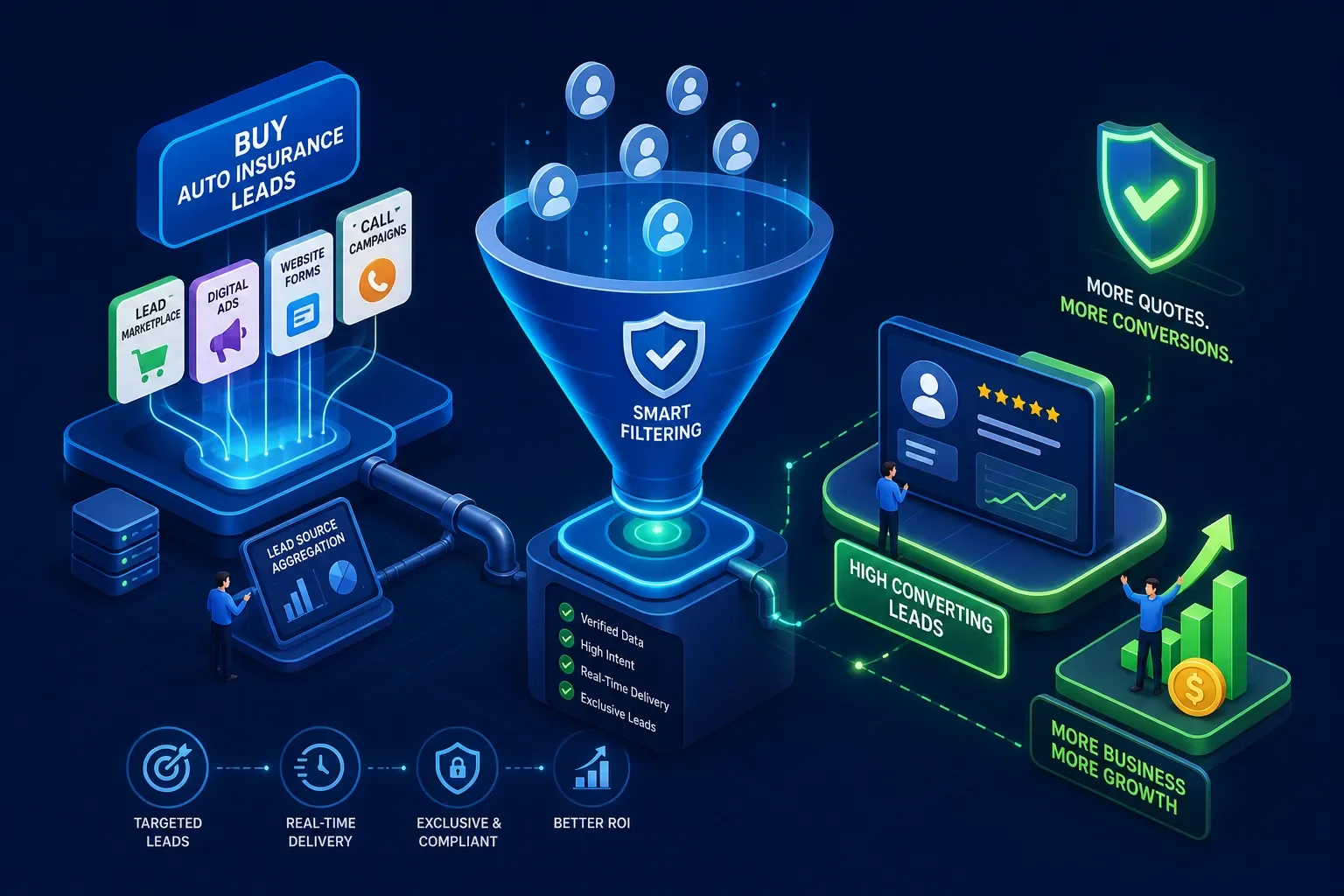
Near real-time delivery, seconds to minutes from form submission to your inbox, is the minimum standard for any exclusive lead product worth buying. Custom filtering by geography, vehicle type, driver profile, coverage type, and policy status ensures the lead matches your carrier appetite before you pay for it. This is the model that pay-per-lead insurance programs built on performance accountability actually deliver. Ask every vendor these questions directly: Are these leads re-sold after a return? What is the exclusivity window? What happens when contact data is inaccurate?
Fraudulent or low-intent leads are a known issue in this market. Bot-filled forms, incentivized traffic, and recycled aged data sold as fresh all exist. Legitimate platforms use phone verification, duplicate scrubbing, traffic source auditing, IP reputation checks, and minimum intent thresholds before delivering a lead. The infrastructure required to do this well is substantial, which is why many solo publishers and small aggregators simply don't have it.
Ray Advertising addresses this directly through in-house media buying, affiliate network oversight across a vetted publisher network, and built-in fraud detection, giving agents a higher-trust alternative to standard aggregators that resell shared data with no quality guarantees. The right partner isn't just a vendor supplying records. It's a system that filters for intent, verifies contact quality, and delivers pre-qualified auto insurance leads you can work the moment they arrive.
The standard worth holding vendors to
Auto insurance leads are only worth what the data, intent, and exclusivity behind them justify. The format matters. The source matters. The freshness and verification level matter even more. None of those things are visible in a CPL number alone, which is why so many lead budgets disappear without producing results.
The framework is straightforward: know the format you're buying, understand where the traffic came from, verify quality signals before you scale, run controlled pilots with matched samples, and measure cost per bound policy, not cost per lead. That's the number that determines whether a lead program is profitable or just expensive.
If you're ready to stop guessing about lead quality, look for a partner that delivers verified, exclusive leads with real-time delivery, custom filtering, and transparent reporting. That's what a lead program looks like when the infrastructure behind it is actually built to convert. See how Ray Advertising delivers on that standard before your next lead budget decision.
Recent Post
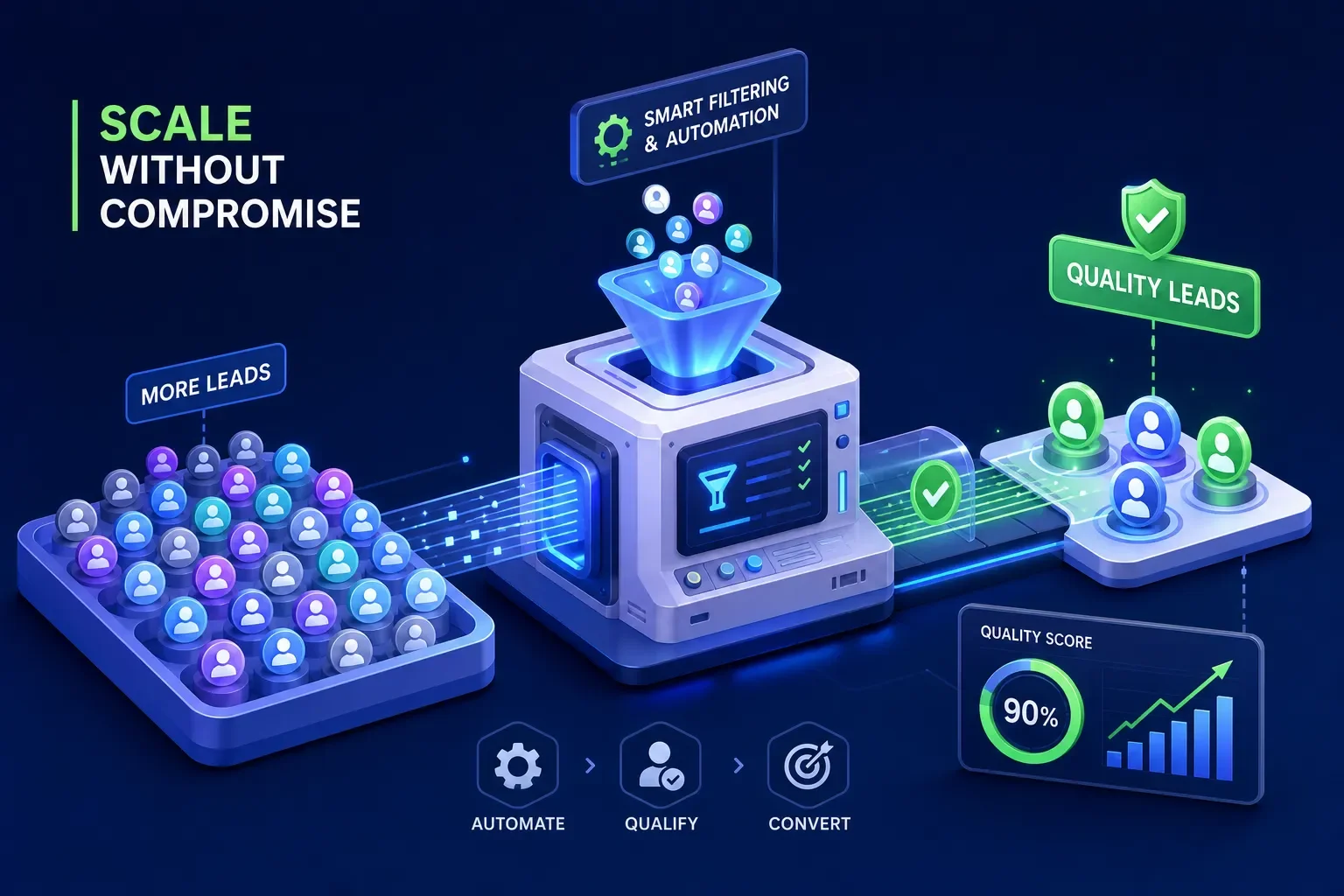
How to Scale Lead Generation Without Losing Qualit...
August 17, 2026
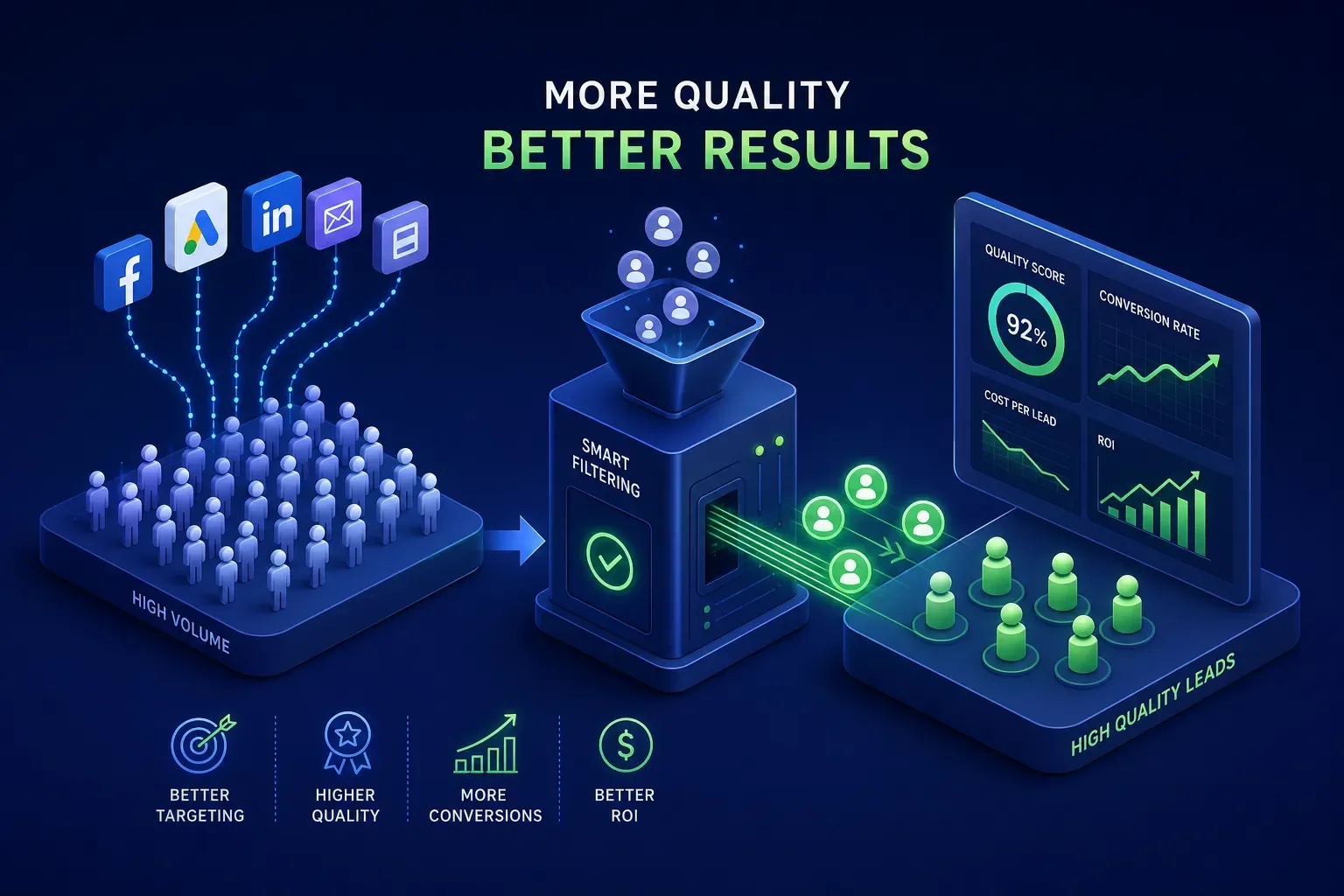
Improve Lead Generation Quality Without Losing Vol...
August 16, 2026
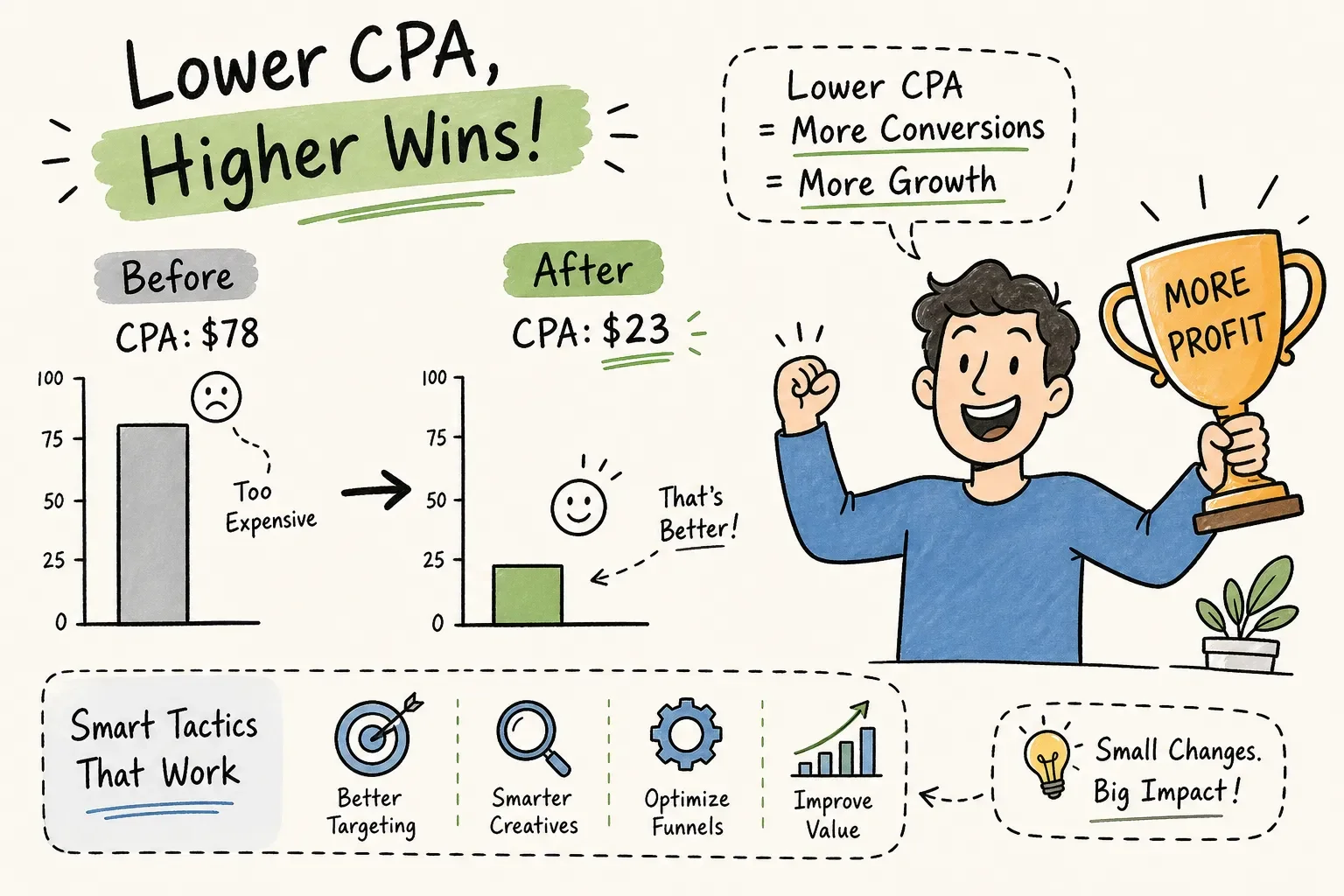
Reduce Cost Per Acquisition: 12 Tactics That Work...
August 14, 2026
Reduce Cost Per Acquisition: 12 Tactics That Work...
August 13, 2026
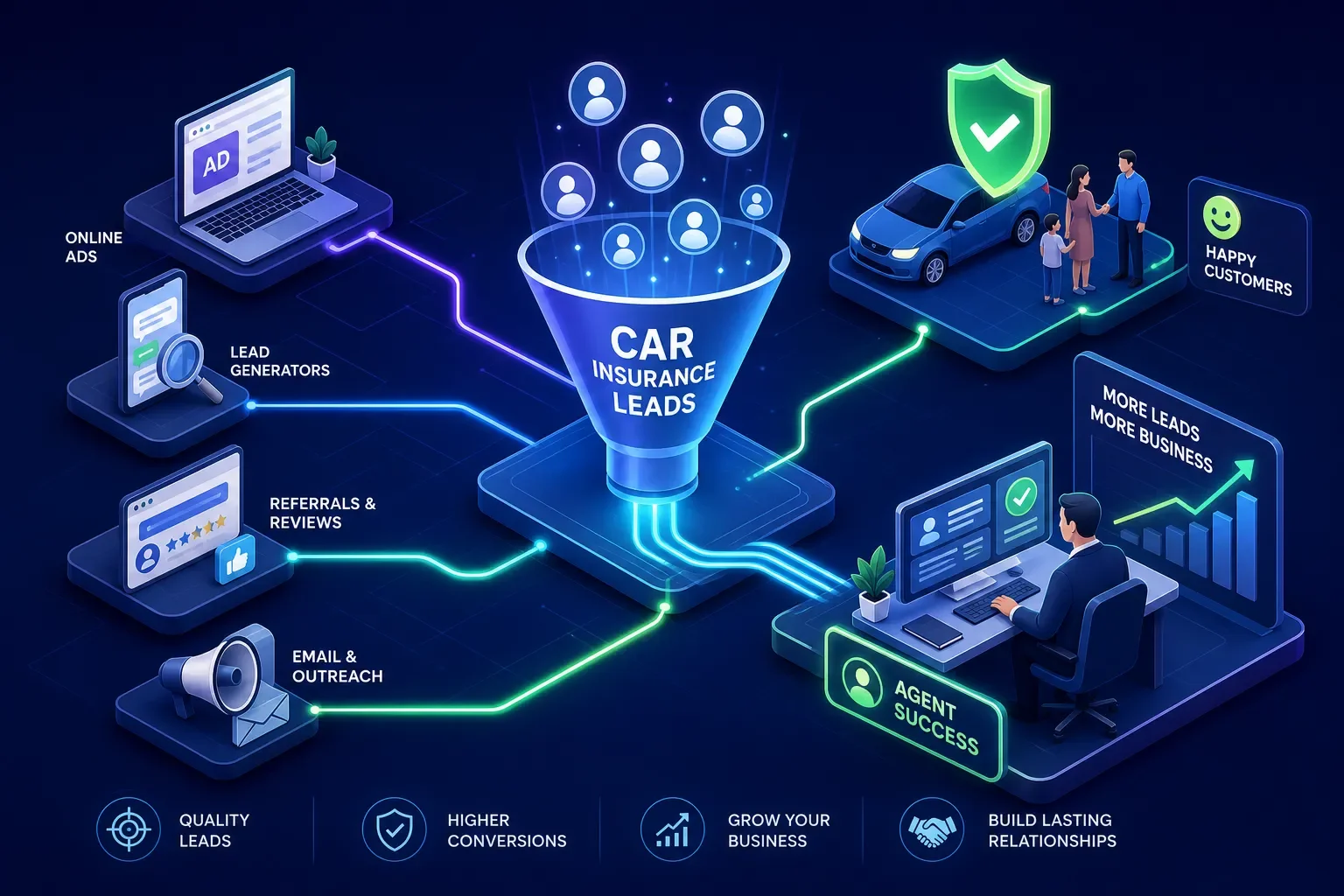
Car Insurance Leads for Agents: Best Sources and S...
August 12, 2026
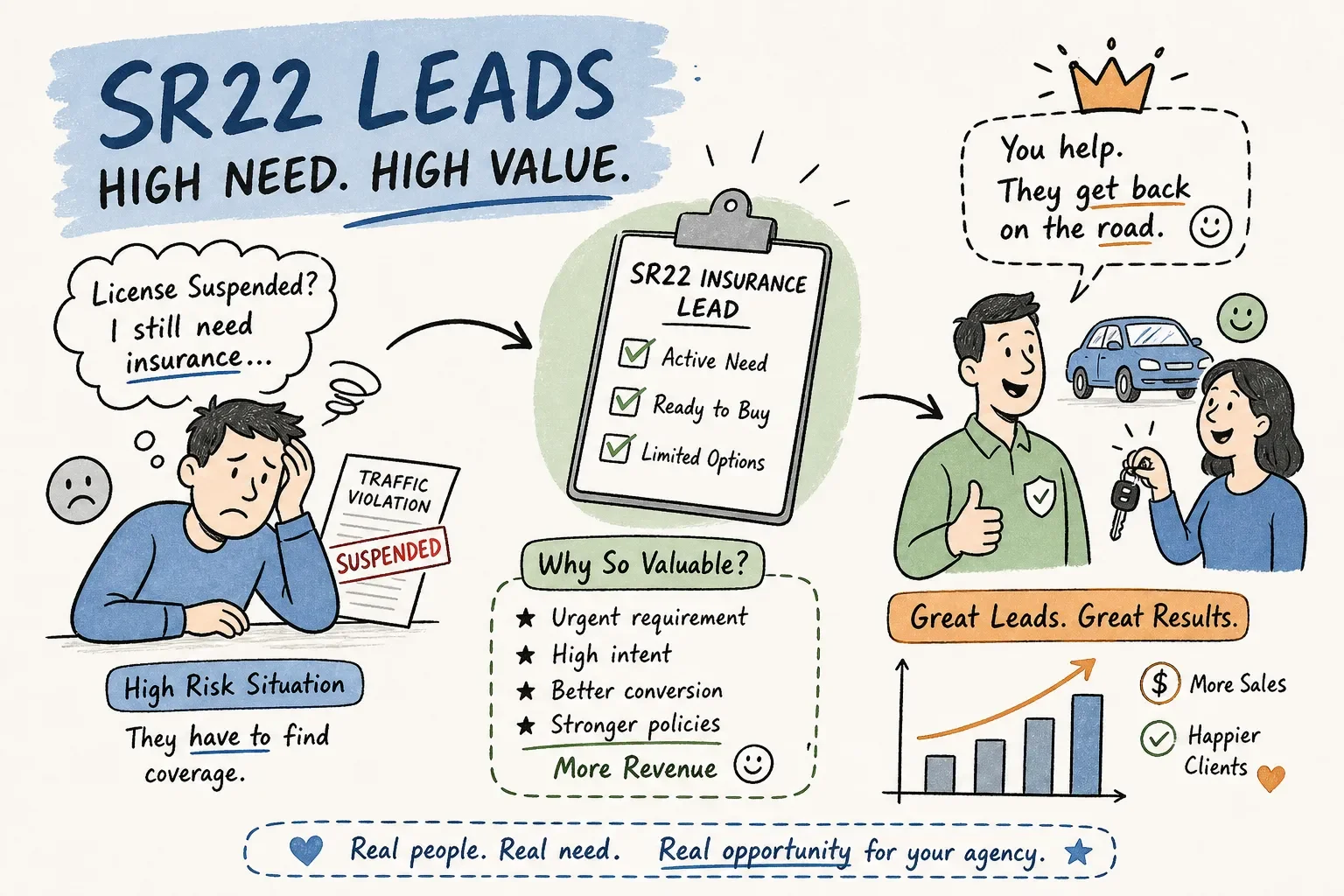
What Are SR22 Insurance Leads and Why Are They So ...
August 11, 2026
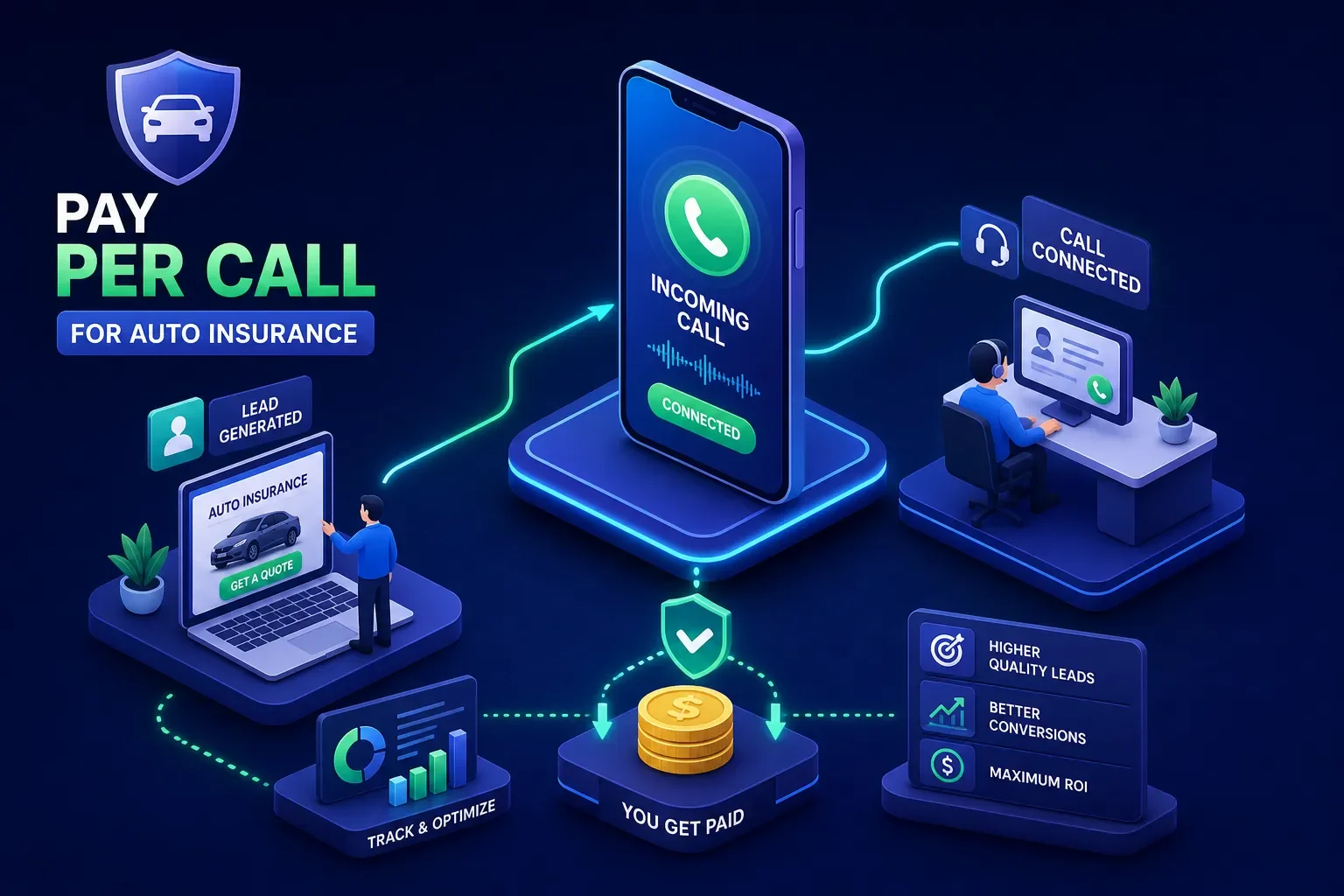
Auto Insurance Pay Per Call: How It Works and Why ...
August 10, 2026
How to Buy Auto Insurance Leads That Actually Conv...
August 9, 2026
High Risk Auto Insurance Leads: How to Target and ...
August 8, 2026
Related resources
Explore the most relevant pages based on this article.
- Contact Ray Advertising — Ask about pricing, compliance, and launch timelines.
- Lead Generation — High-intent leads with delivery and quality controls.
- Pay Per Call — Qualified inbound calls with tracking and routing.
- Media Buying — Performance media with optimization and attribution.
- Affiliate Network — Vetted publishers and fraud protection.

FAQs
Quick answers related to this article.
We support lead generation, pay per call marketing, media buying, and affiliate network programs.
We use source attribution, quality metrics, and conversion reporting to optimize and scale profitable traffic.
Contact our team or sign up as an advertiser or publisher to begin onboarding.