



How Managed Media Buying Lowers Your Cost Per Click
By Ray Advertising · Published August 4, 2026
How Managed Media Buying Lowers Your Cost Per Click
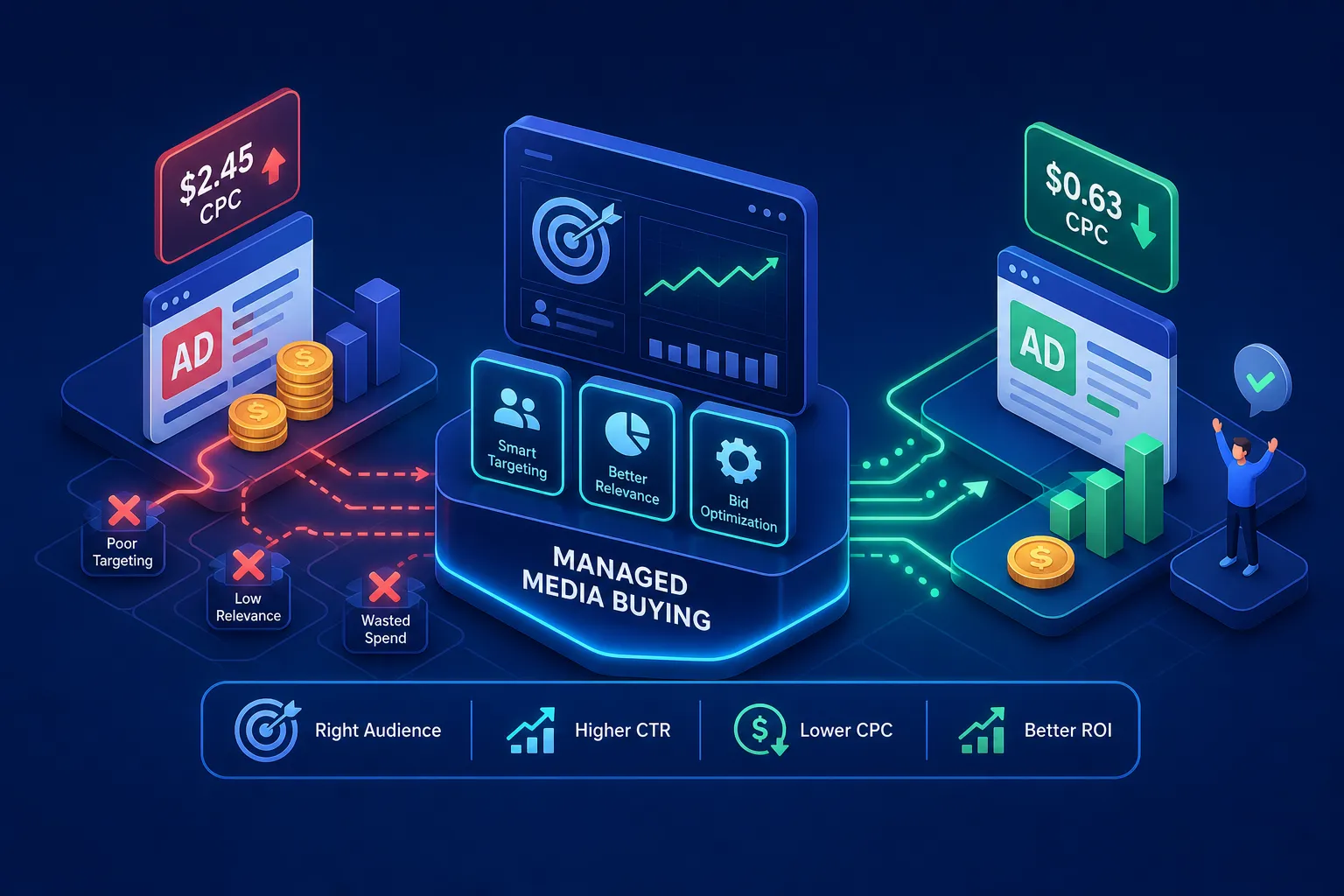
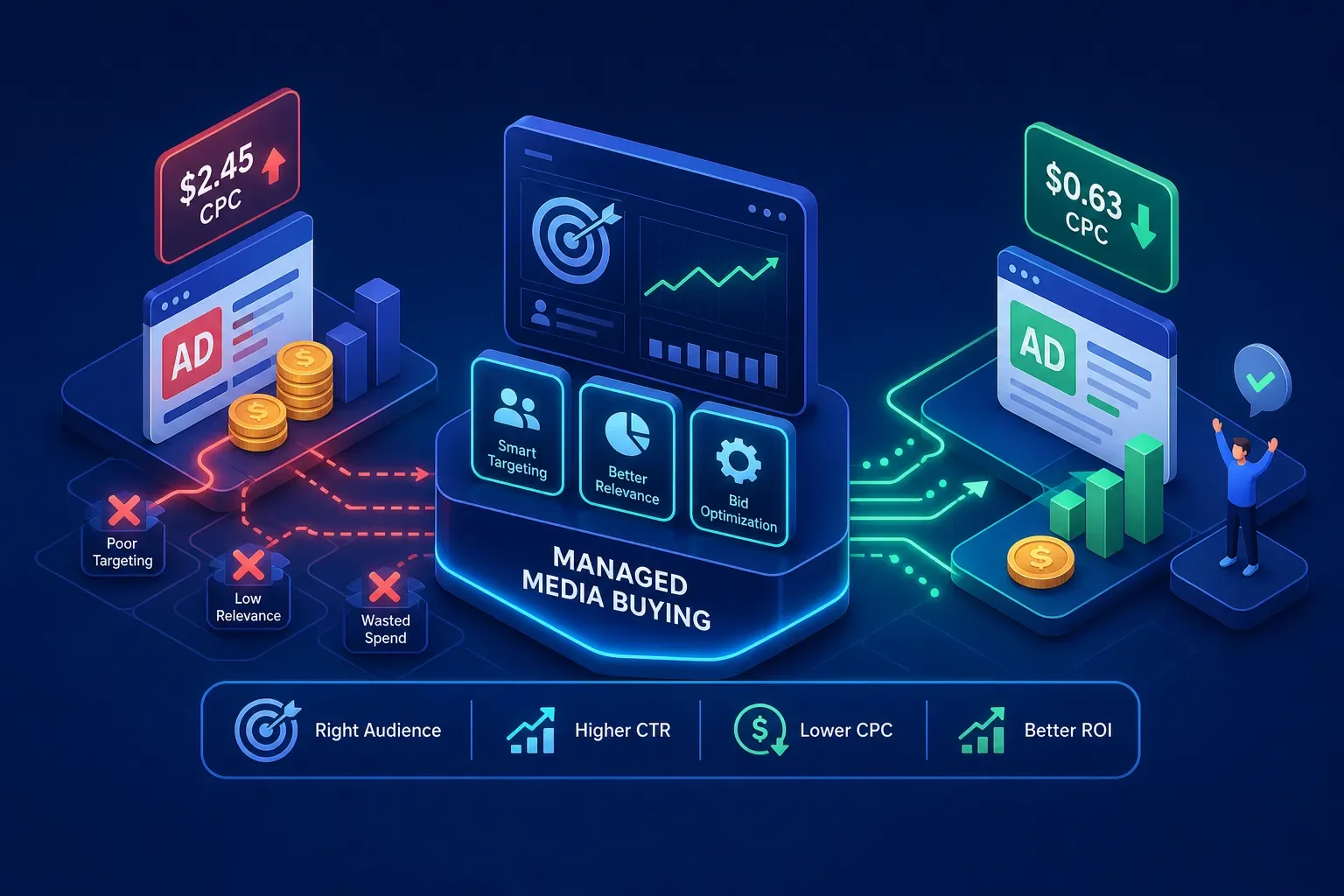
How does managed media buying lower cost per click? For many advertisers running paid campaigns in-house, the answer starts with a structural problem: a significant share are systematically overpaying per click without realizing it. Not because the platforms are broken, and not because the budgets are too small. Winning paid auctions efficiently requires dedicated time, platform expertise, and layers of historical performance data that internal teams often lack the capacity to build. The gap between a campaign that was set up and a campaign that is actively managed is not cosmetic. It shows up directly in your cost per click.
This is the core premise behind professional media buying. Agencies and in-house performance teams that do nothing but buy media develop a depth of optimization that general marketing teams simply cannot match while also managing everything else on their plates. At Ray Advertising, our in-house media buying team consistently achieves CPCs that run well below industry benchmarks, a result built through disciplined CPC optimization strategies applied across every active campaign. The rest of this article breaks down exactly how that happens, what levers move the needle, and what questions to ask before you hand your campaigns to any managed team.
Why in-house campaigns systematically overpay at auction
The average in-house team sets up a campaign, sets a budget, and lets it run. Platform defaults are configured to maximize spend, and without someone actively monitoring auction mechanics, most accounts drift toward inefficiency over time. The problem is not bad intentions. It is a capacity issue: in-house marketers are balancing content, email, social, reporting, and a dozen other priorities. Deep campaign optimization requires dedicated attention every week, not a monthly check-in.
How ad auctions price clicks in real time
The actual CPC in a Google or Meta auction is not simply your bid. It is the result of a calculation that factors in your relevance signals and the bid of the advertiser ranked below you. In Google Ads, the underlying quality signals, expected CTR, ad relevance, and landing-page experience, feed directly into Ad Rank and influence what you pay. The 1, 10 Quality Score shown in the dashboard is a diagnostic reflection of those live signals, not a direct auction input. Many in-house buyers focus on bid levels because that is the most visible control. They overlook the quality signals that determine how far each dollar goes in the auction, which is where the real money is left on the table.
The compounding cost of a low Quality Score
A Quality Score of 5 out of 10 versus a score of 8 can represent a 20, 30% difference in CPC for the same ad position. Industry analyses, including data summarized by WordStream from Google's own auction modeling, indicate that each Quality Score point improvement can reduce CPC by roughly 10%, and strong scores can cut CPC by as much as 50% in competitive auctions. This gap goes unnoticed in most in-house accounts because teams are watching budget spend and ROAS, not auction efficiency. Over weeks and months, that invisible inefficiency compounds into significant wasted spend.
How managed media buying lowers cost per click through audience precision
Professional media buyers treat audience targeting as an ongoing refinement process, not a one-time setup decision. The goal is not to reach the largest possible audience. It is to concentrate spend on the segment of that audience most likely to click with genuine intent to convert. Wasted clicks, where someone lands on your page with zero purchase intent, inflate your average CPC while contributing nothing to your pipeline.
Layered targeting vs. broad audience guessing
Managed teams stack targeting signals deliberately: demographics, geographic modifiers, device type, behavioral intent signals, and retargeting lists all work together. Each additional layer narrows the auction pool and reduces competition from advertisers who are not targeting as precisely. That narrowing effect typically reduces the bid needed to win the same impression, which is how precise targeting translates directly into lower CPC without sacrificing reach among the right audience.
Negative keywords and exclusion lists as structural cost controls
Negative keyword lists and placement exclusions are not housekeeping tasks. They are structural cost controls that directly reduce the volume of low-quality clicks dragging up your average CPC. Managed teams build these exclusion libraries proactively, drawing from search term reports, audience overlap data, and vertical-specific traffic patterns accumulated over months of campaign history. An in-house team starting fresh often does not have that library. A managed team running campaigns in your vertical for years already does.
Bidding strategies: how managed media buying lowers cost per click without sacrificing volume
Experienced media buyers do not simply turn on smart bidding and walk away. They sequence bidding strategies based on campaign maturity, available conversion data, and performance goals. That sequencing is meaningfully different from what most in-house teams execute, and it is one of the clearest ways managed programmatic and search buying drives down average CPC while maintaining a consistent flow of qualified clicks.
When to use automation and when to hold manual control
The sequencing pattern looks like this: new campaigns typically need Manual CPC or Maximize Clicks with a hard cap to prevent the algorithm from overspending while it learns on weak data. Once conversion history builds, moving to Target CPA or Target ROAS allows the platform to lower average CPC by concentrating bids in auctions with higher conversion probability. According to Google's internal Smart Bidding performance data, advertisers using Smart Bidding see 14, 22% lower CPCs on average, but that improvement only holds when the campaign has enough clean conversion data before automation takes over.
Portfolio bidding and bid modifier frameworks for precision
Portfolio bid strategies pool multiple campaigns under one learning algorithm, making budget allocation more efficient across the entire account rather than optimizing each campaign in isolation. Paired with bid modifiers on device, geography, and time-of-day, this structure allows managed teams to down-weight expensive low-converting segments without cutting total click volume. The combination keeps average CPC down because budget gravitates toward the pockets of traffic that actually convert, rather than spreading evenly across all available inventory.
How ad relevance and creative testing reduce what you pay per click
There is a direct and often underappreciated connection between creative quality and cost-per-click reduction. Advertisers who continuously test and improve their ad copy, creative formats, and landing-page alignment are effectively lowering the minimum bid required to compete in their auctions. Platform algorithms reward relevance with better placement at lower cost, which means creative investment is also a bidding efficiency investment.
The Quality Score mechanism in plain terms
Google's Quality Score functions as a useful proxy for auction efficiency. An advertiser with a score of 8 pays less for the same position than a competitor with a score of 5, even if both bid the same amount. The common approximation works like this: actual CPC is roughly equal to the Ad Rank of the advertiser below you divided by your Quality Score, plus one cent. It is worth noting that the live auction uses real-time quality signals through Ad Rank rather than the displayed score directly, but the diagnostic number is a reliable guide for improvement priorities. Managed media buyers actively monitor and improve all three Quality Score components: expected CTR, ad relevance, and landing-page experience. Each component is a lever. Most in-house accounts leave at least one of them untouched.
Landing-page alignment and its direct effect on auction cost
A landing page that closely matches the ad promise and loads quickly accomplishes two things simultaneously. It improves the landing-page quality signal for the platform, and it reduces bounce behavior that signals poor ad-to-page fit. Managed teams treat landing-page performance as part of the media buying process, not a separate job for the web team. That integrated perspective is how quality improvements compound across the funnel, reducing CPC while also improving conversion rates on the clicks you do pay for.
What Ray Advertising's in-house media buyers do differently
Ray Advertising operates an in-house media buying team rather than routing budgets exclusively through third-party affiliate traffic sources. That distinction matters because it gives the team direct control over optimization speed and bidding decisions at the platform level. In the lead generation space, a number of operators rely on affiliate networks where optimization is indirect and slower to respond. Ray Advertising's model creates a shorter feedback loop between performance data and campaign changes, and that speed is a primary driver of the consistent CPC efficiency the team sustains across campaigns.
Direct platform relationships and access to better inventory
Established media buying teams develop direct relationships with platform representatives that provide access to beta features, account-level performance insights, and early availability of new targeting capabilities, including programmatic private marketplace (PMP) deals that are not accessible through standard campaign setup. These relationships matter because they provide context and data that are not available inside the standard campaign dashboard. Ray Advertising's team uses platform-level insights to optimize faster and reach high-intent audiences at lower cost, particularly in competitive verticals like insurance and home services where CPC benchmarks run high and efficiency margins are tight.
Continuous optimization cycles vs. monthly reporting reviews
The typical in-house pattern is to review campaigns once a week or once a month. Managed teams run structured testing cycles on bids, creatives, and audience segments continuously. That cadence compresses the learning curve and sustains CPC efficiency over time because problems are caught early and winning patterns are scaled quickly. The CPC advantages Ray Advertising delivers are not the result of a single setup decision. They are built and maintained through the consistent application of these cycles, week over week, across every active campaign, a rhythm that agency media buying services cannot replicate with passive monthly reporting.
How to evaluate a managed media buying partner before you sign
Understanding how managed media buying lowers CPC is one thing. Knowing how to identify a team that will actually deliver on it is another. Not all agencies that claim to manage media are doing so proactively. The right questions will quickly separate the teams running campaigns from the teams actively optimizing them, and they will tell you whether a partner is genuinely built around cost-per-click reduction or simply reselling a reporting dashboard.
Benchmarks and performance metrics to request before signing
Ask for baseline CPC benchmarks by channel and vertical, historical Quality Score averages across managed accounts, and a sample optimization log showing the cadence of testing and changes made over a 90-day period. These requests reveal how active the team actually is. A proactive team will have these documents ready. A passive team will struggle to produce them because the work was never being done consistently in the first place.
Red flags that signal a reactive approach
Watch for agencies that report on metrics without tying each data point to a specific optimization decision. If a team cannot explain their bidding strategy in plain terms, that is a warning sign. Accounts where negative keyword lists or exclusion libraries have never been audited are another. A managed team that cannot articulate what levers they pull and why they pull them is unlikely to deliver meaningful CPC reductions, regardless of what the proposal promises.
The case for committed, professional media management
The four mechanisms that drive CPC down are audience precision, structured bidding, creative quality signals, and continuous optimization cycles. None of them are secrets. All of them require time, data, and focus that most in-house teams cannot sustain alongside their other responsibilities. The gap between a well-managed campaign and a DIY one is not a matter of budget size or luck. It is the consistent application of these levers by people who do nothing else.
Ray Advertising's in-house media buying model is built on exactly that commitment: dedicated buyers, direct platform relationships, and optimization cycles that run continuously rather than quarterly. For advertisers in insurance, home services, and healthcare who need high-intent traffic at efficient cost, that structure is designed to produce a meaningful difference in what they pay per click and what they get for it.
If you want to see how managed media buying lowers cost per click for your specific campaigns, including realistic CPC benchmarks for your vertical, reach out to Ray Advertising for a direct campaign assessment. The conversation starts with your numbers, not a generic pitch.
Recent Post
How to Scale Lead Generation Without Losing Qualit...
August 17, 2026
Improve Lead Generation Quality Without Losing Vol...
August 16, 2026
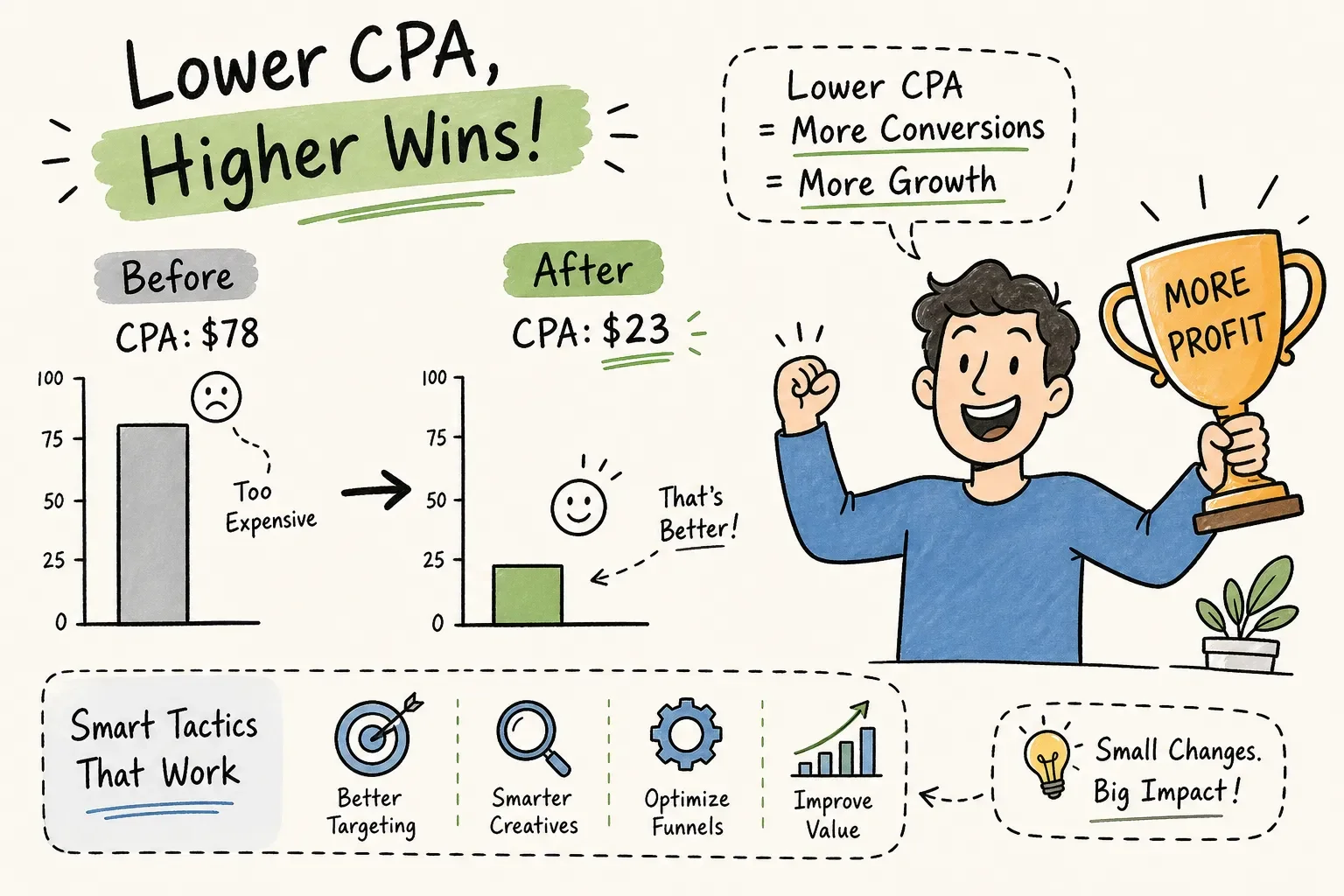
Reduce Cost Per Acquisition: 12 Tactics That Work...
August 14, 2026
Reduce Cost Per Acquisition: 12 Tactics That Work...
August 13, 2026
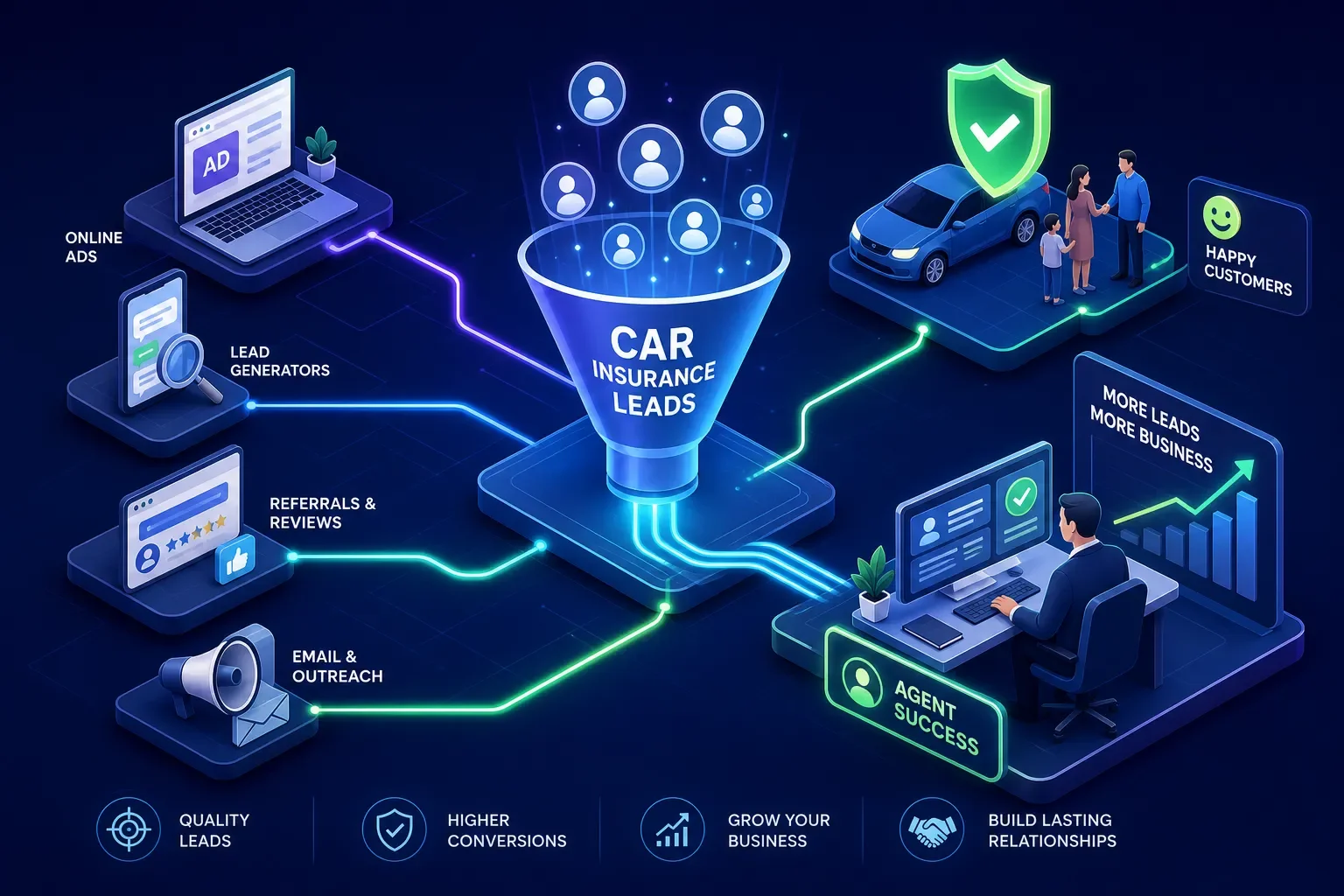
Car Insurance Leads for Agents: Best Sources and S...
August 12, 2026
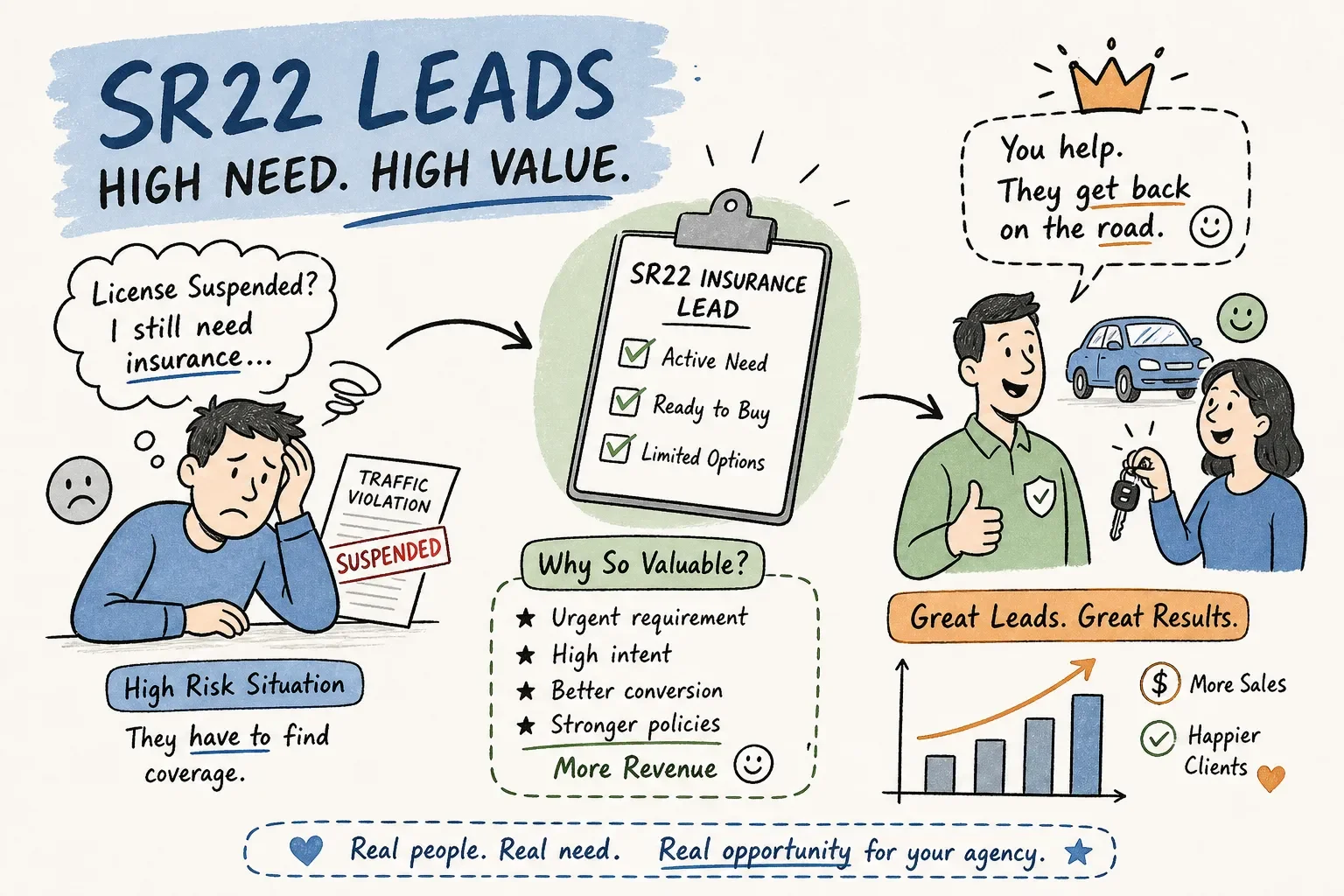
What Are SR22 Insurance Leads and Why Are They So ...
August 11, 2026
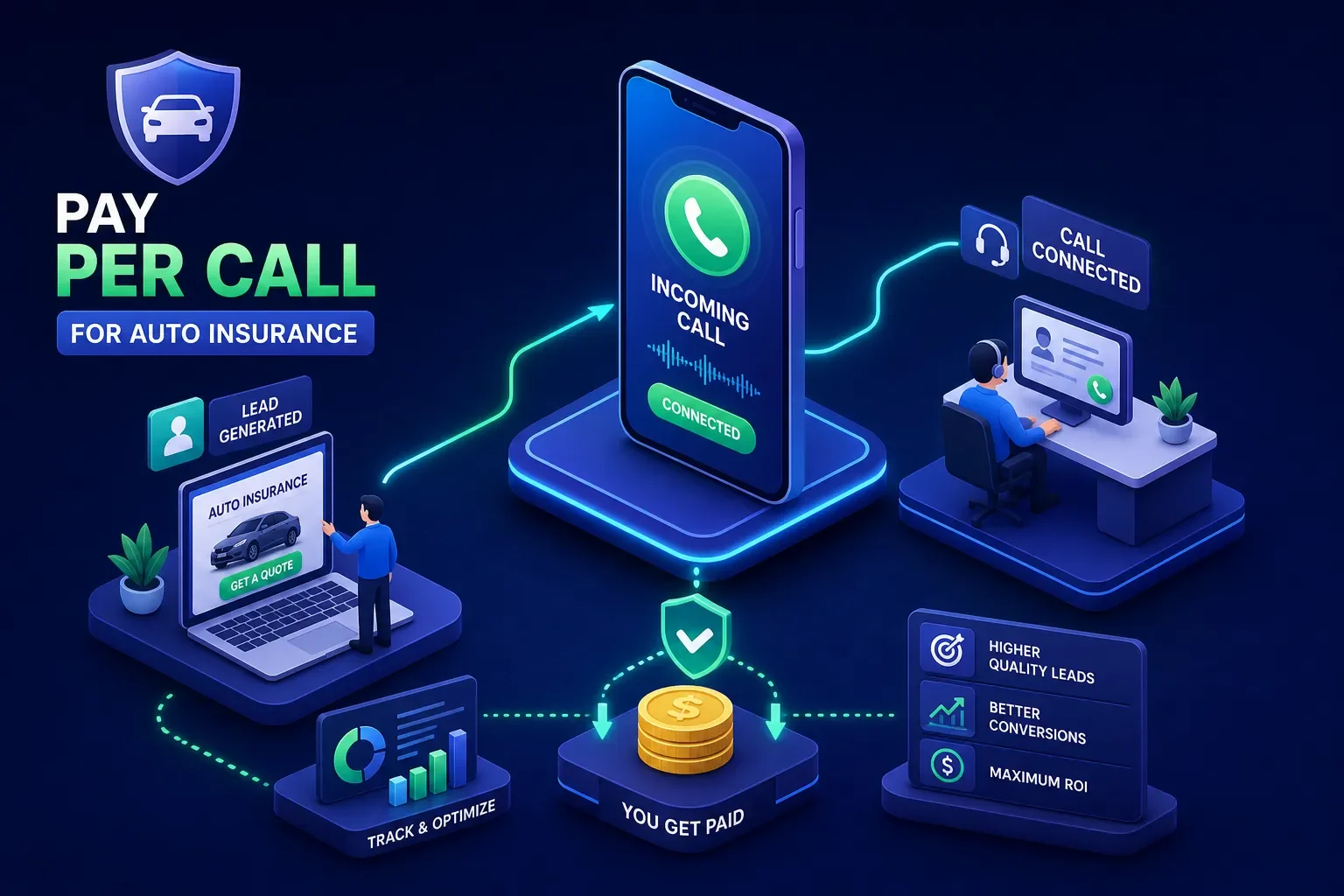
Auto Insurance Pay Per Call: How It Works and Why ...
August 10, 2026
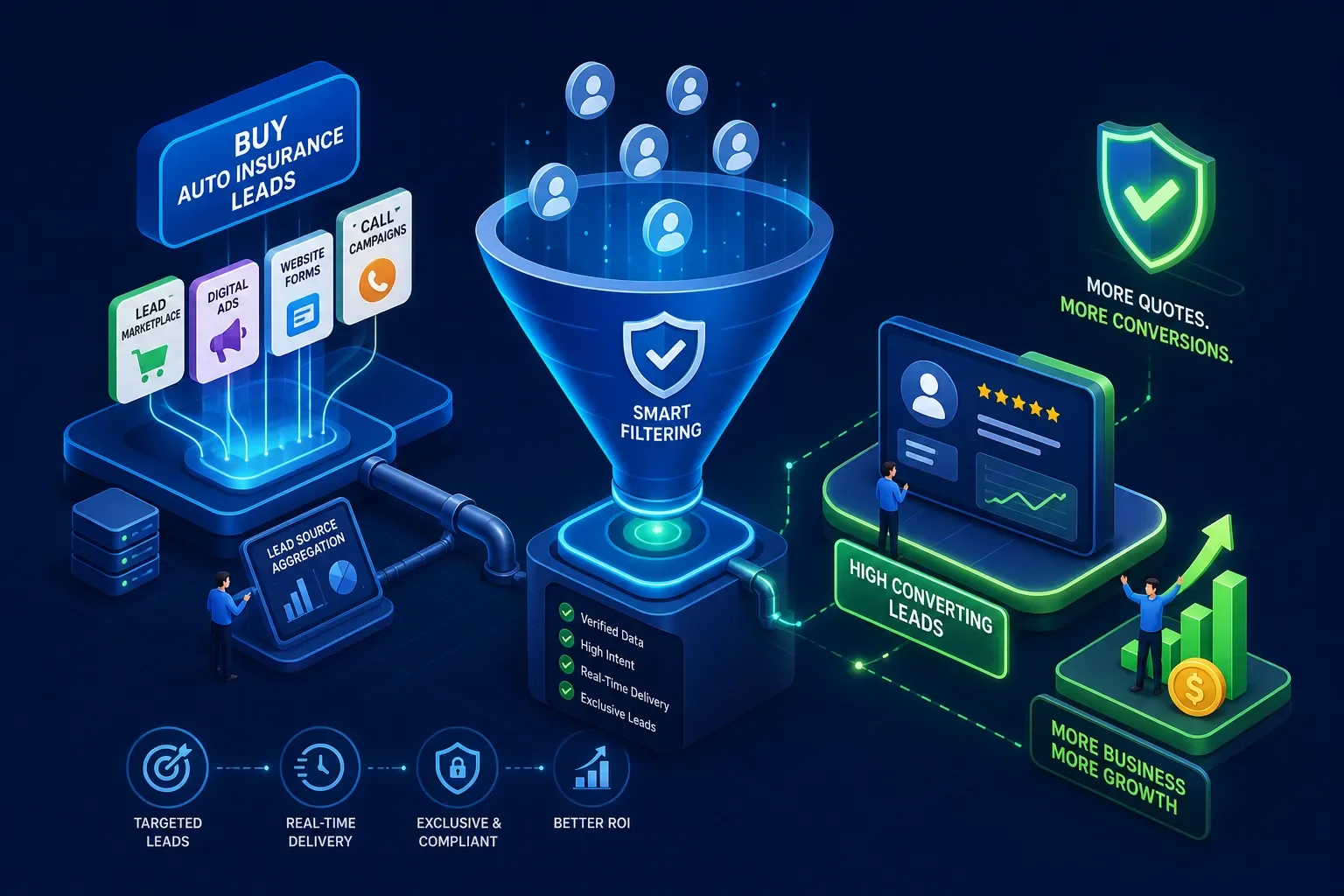
How to Buy Auto Insurance Leads That Actually Conv...
August 9, 2026
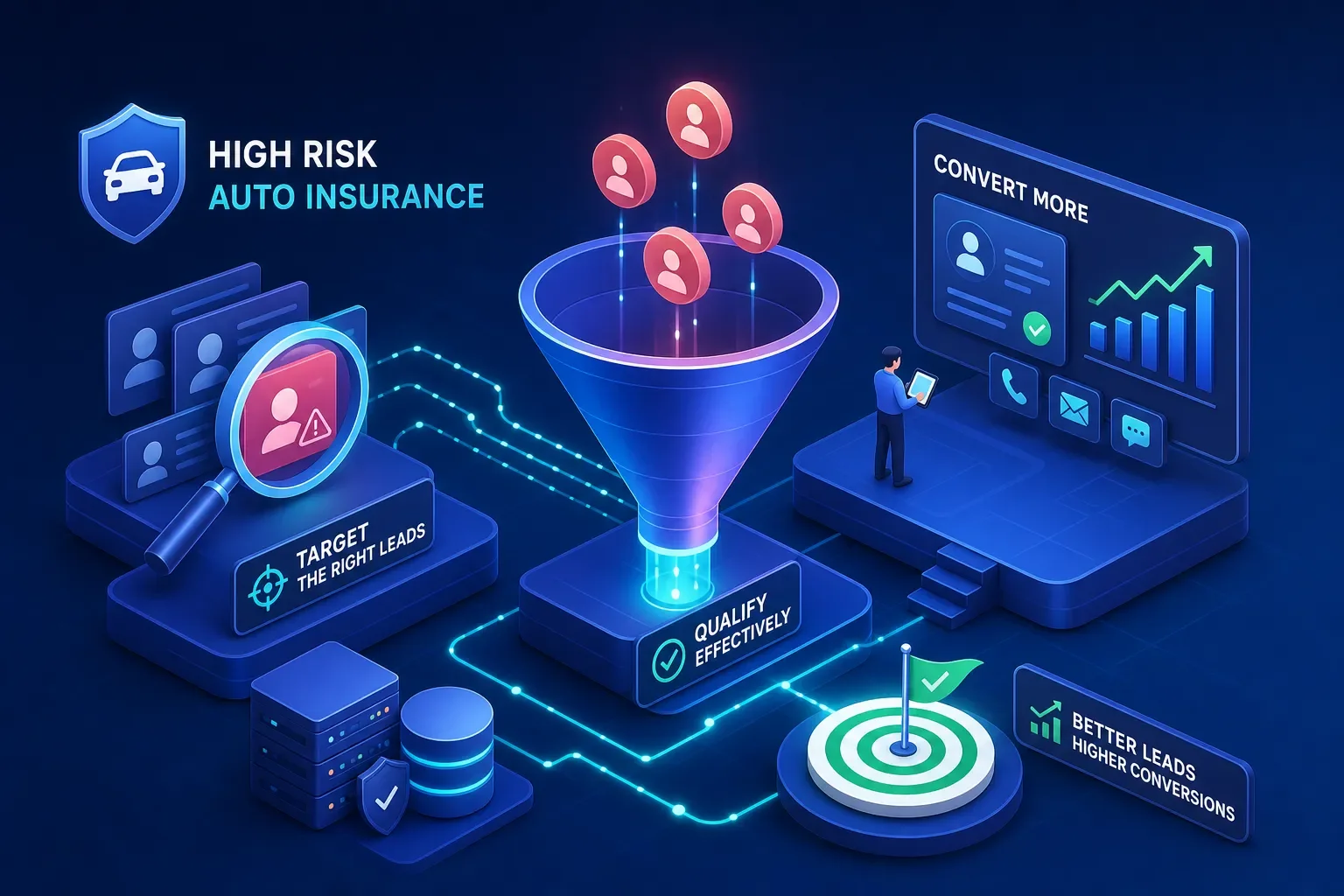
High Risk Auto Insurance Leads: How to Target and ...
August 8, 2026
Related resources
Explore the most relevant pages based on this article.
- Contact Ray Advertising — Ask about pricing, compliance, and launch timelines.
- Media Buying — Native, search, social, and owned-and-operated traffic for performance.
- Lead Generation — Exclusive vs shared leads, API delivery, and lead scoring.
- Pay Per Call — Scale inbound calls with real-time routing and qualification.
- Advertiser Solutions — Brand-safe growth with reporting and quality controls.

FAQs
Quick answers related to this article.
Common channels include native, search, social, email, display, and retargeting—based on offer and compliance requirements.
Yes. We can support testing and optimization so messaging matches audience intent and improves conversion.
We use source attribution, performance reporting, and quality signals to scale winners and pause underperformers.