




Affiliate marketing is one of the easiest ways to earn money online by promoting products through your unique link. In the past, most affiliates relied on blogs or websites to reach their audience. But in 2025, you don’t need a website to get started.
Social media and creator tools make it simple to share recommendations, connect with your audience, and earn commissions. Use platforms like TikTok, YouTube, Instagram, and email newsletters to post affiliate links. They help you build communities and make money without needing to code or host anything.
Over 65% of affiliates now use social platforms as their main channel. It proves that trust and visibility matter more than owning a domain. This guide will show you how to start affiliate marketing without a website and grow your earnings in a smart, modern way.
Affiliate marketing lets you earn money by promoting someone else’s products through a link.
For example, a store may have many products, and you choose one to promote. You share the product link in your social media bio, posts, or other content.
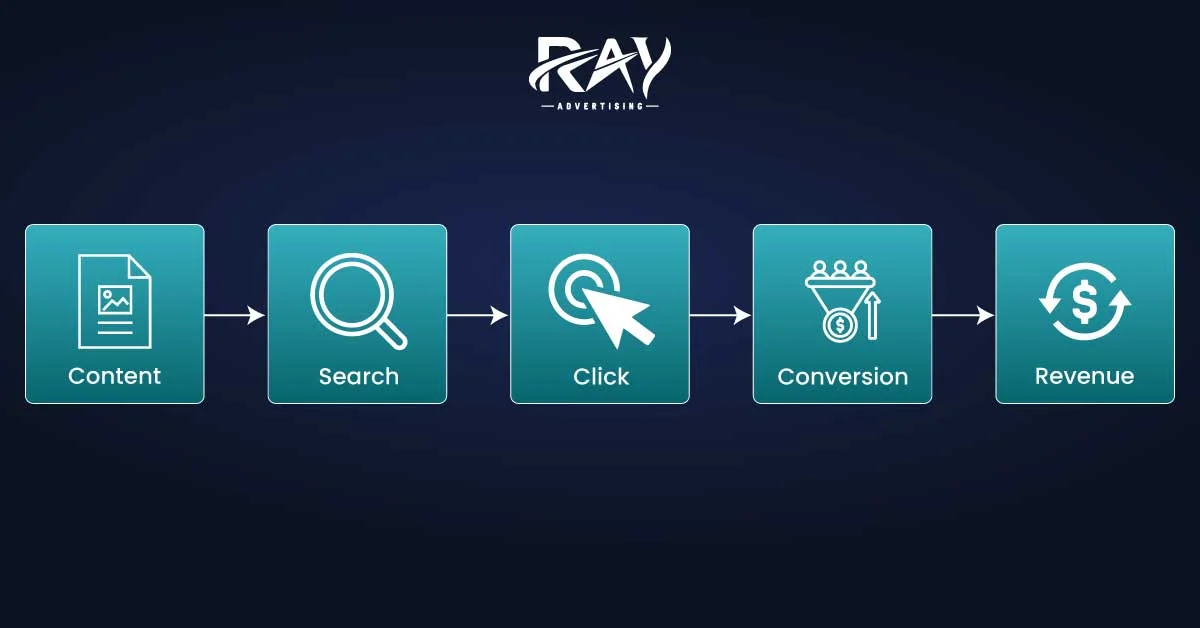
When someone clicks your link and makes a purchase, you earn a commission. That’s how affiliate marketing works, even without a website. The affiliate network tracks your sales and handles payouts, so you can focus on creating content and reaching your audience.
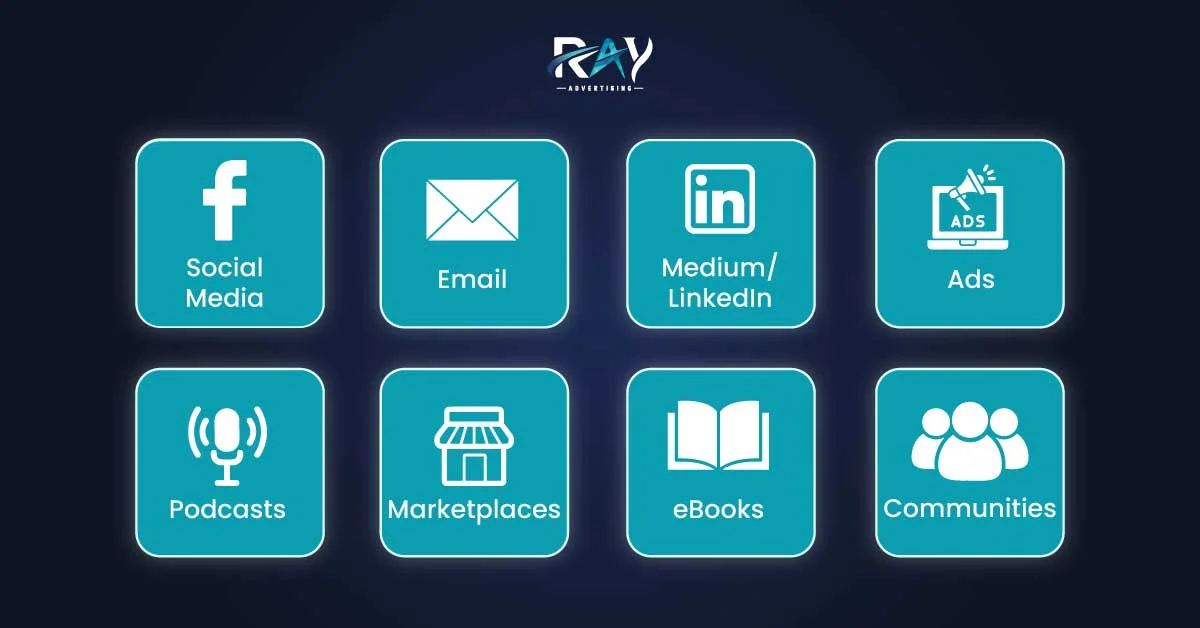
Here are the top platforms to do affiliate marketing, along with tips on audience fit, content ideas, and where to place your links:
Social media is one of the easiest ways to start affiliate marketing without a website. Platforms like TikTok, Instagram, Facebook, YouTube, and Pinterest let you reach a large audience quickly. You can create content that shows how a product works, gives tips, or shares your personal experience.
Place your affiliate links in your bio, captions, or video descriptions, depending on the platform. Short, engaging videos or posts are ideal for visual or trending products. This includes gadgets, beauty items, and lifestyle products.
The key is to be helpful and authentic. Focus on creating content that your audience enjoys and trusts, and your affiliate links will naturally get clicks.
Email marketing is a powerful way to share affiliate products with people who are already interested in your content. You can build a small email list using free tools and send helpful tips, recommendations, or exclusive deals.
Include your affiliate links naturally in your emails and explain why a product is useful. Personal, friendly messages tend to get higher engagement and clicks. The great thing about email is that it lets you connect directly with your audience and promote products without needing a website.
You don’t need a website to share your expertise. Platforms like Medium, LinkedIn, or Substack let you publish articles, guides, or tips with your affiliate links.
To help your readers solve problems or learn new things, focus on clear, practical advice. Start by identifying a common issue they face. Then, break down the solution into simple steps.
For example, if you’re discussing time management, suggest using a planner. Explain how to prioritise tasks and set reminders.
Also, encourage readers to track their progress. This helps them see what works and what doesn’t.
Lastly, share your recommendations naturally throughout the content. This way, readers feel guided, not overwhelmed.
These platforms are great because they already have an audience looking for useful information. A well-written article can keep bringing traffic and clicks over time. Focus on clarity, practical advice, and linking only to products you trust. This way, you build credibility while earning commissions.
Paid advertising, such as native ads for affiliate marketing, lets you promote affiliate products directly to the right audience. Platforms like Google Ads and Facebook Ads use behavioral targeting in affiliate marketing to reach people based on interests and behavior.
You create an ad with a clear message, link it to your affiliate offer, and drive traffic that is more likely to convert. Paid campaigns can give fast results, but they do require a budget and careful planning. Always test small first, track performance, and optimize your ads to get the best return.
With the right approach, paid advertising can be a powerful way to earn commissions even without a website.
Podcasts are a great way to share your knowledge and recommend products to an engaged audience. You can talk about products naturally during your episodes and include affiliate links in the show notes.
The key is to be genuine and helpful. Share personal experiences, reviews, or tips that show why a product works. Listeners who trust your advice are more likely to click your links and make a purchase.
Even with a small audience, podcasts can build long-term trust and steady affiliate income over time.
Marketplaces and creator shops simplify affiliate marketing. They manage tracking and payments for you. Platforms like Amazon Associates, TikTok Shop, LTK, and Rakuten Advertising let you promote products and earn commissions on each sale.
You need to create content that showcases products. Link to them through the platform, and the system will track your earnings. These platforms are perfect for beginners. They take away the technical hassle, so you can focus on making content your audience loves.
Creating eBooks or guides is a smart way to share helpful information and include affiliate links. Write about topics your audience loves, like tutorials, tips, or product suggestions. You can also add links to related products.
Distribute your eBooks for free or sell them, and focus on providing real value. When readers see your content as helpful, they trust your suggestions more. This trust leads them to click your links, helping you earn commissions even without a website.
Forums and online communities let you share your knowledge. You can also recommend products to people who are already interested in your niche. Platforms like Reddit, Quora, and niche forums let you answer questions. You can share tips and add affiliate links where they fit.
The key is to be helpful and authentic. Don’t spam links—focus on adding value first. Building trust in the community makes people more likely to click your links and follow your recommendations. This is a strong way to earn without needing a website.
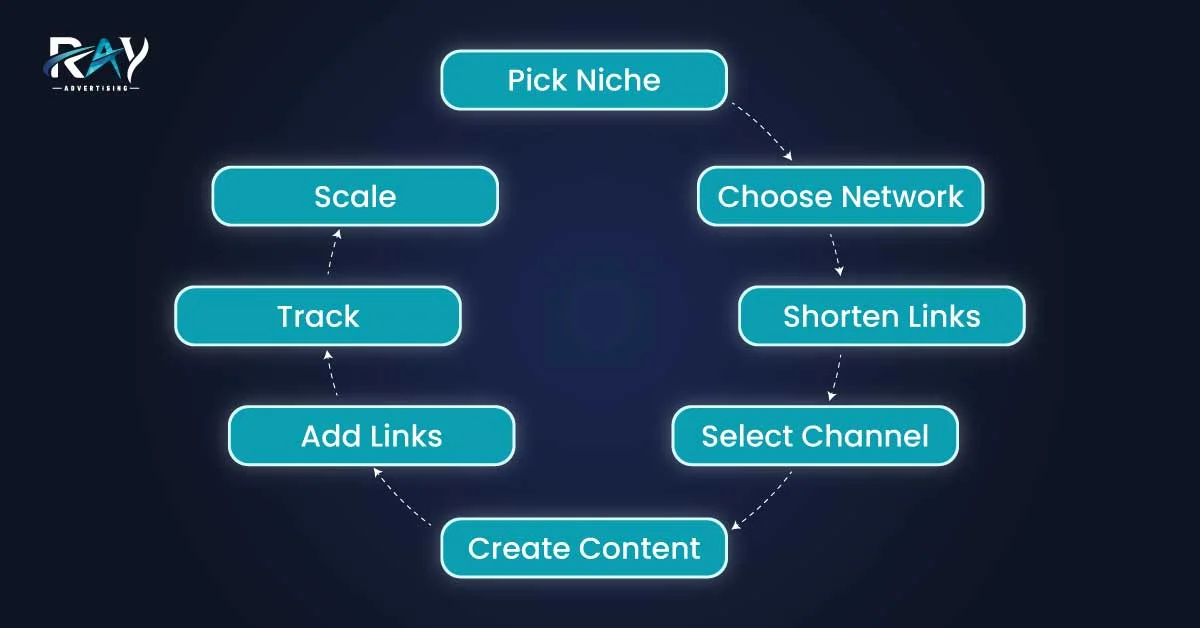
SPick a niche you understand or are passionate about. Think about who your audience is and what problems they need solutions for. A clear focus makes promoting products much easier.
Sign up for trusted networks like Amazon Associates, ClickBank, CJ, or ShareASale. These platforms provide a wide range of products and handle tracking and payouts for you.
Create your unique affiliate links for the products you want to promote. Tools like Bitly or Rebrandly can help shorten them, making them cleaner and easier to share.
Decide where you’ll reach your audience: TikTok, YouTube, Instagram, or an email newsletter. Focus on one channel first to grow it effectively.
Produce content that helps your audience, like product tips, tutorials, or honest reviews. The more value you give, the more trust you build, and the higher your chances of earning commissions.
Include your links in a way that feels natural. Use clear calls-to-action, like “Check this product here” or “See more details.” Avoid forcing links into your content.
Monitor clicks, conversions, and sales using analytics or your affiliate dashboard. This helps you understand what works and where to improve.
Focus on the content that performs best. Repurpose it across different platforms, try new formats, and expand your reach to earn more over time.
Even without a website, it’s important to track your affiliate links so you know what’s working and where your clicks are coming from. The right tools make it easy to organize links, monitor performance, and optimize your efforts.
Legal and compliance steps help you stay transparent and protect your business. Affiliate marketing laws require you to tell your audience when you earn a commission.
Clear disclosure builds trust and keeps your accounts safe across different platforms.
Many beginners lose trust or miss out on earnings because of small but costly mistakes. Avoid these to keep your affiliate strategy clean, effective, and sustainable.
The right tools make affiliate marketing smoother and help you stay organized, even without a website. These platforms save time and improve your tracking, content, and communication.
Even without a website, you can start earning with affiliate marketing. Networks like Ray Advertising let you access campaigns, tracking, and analytics. This way, you can focus on creating content and sharing links.
Social media, email, and short videos help you connect with your audience. They also let you track your results easily
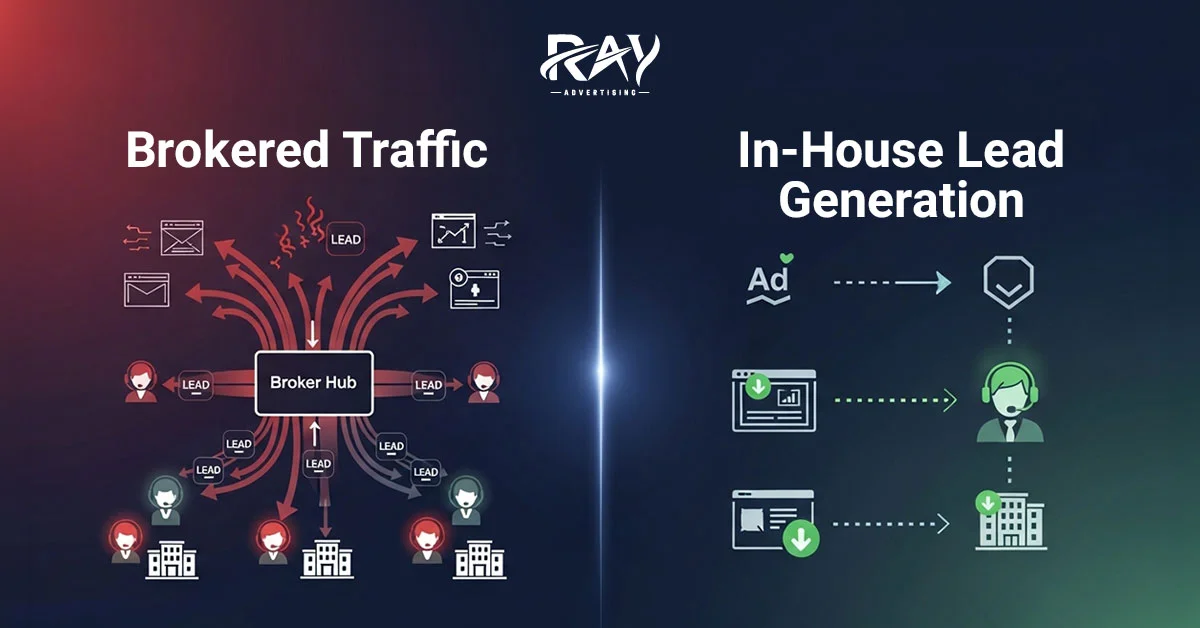
In-House Lead Generation vs Brokered Traffic...
April 1, 2026
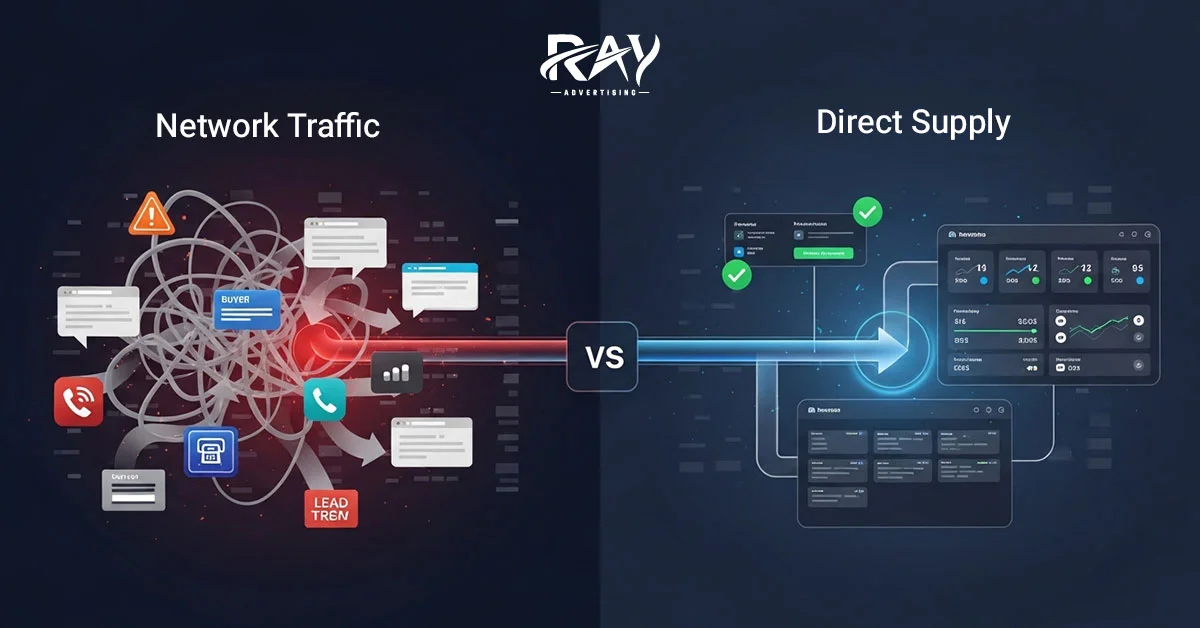
Direct Supply vs Network Traffic: What Buyers Shou...
March 30, 2026
The Role of QA in Buyer Approval Rates
March 28, 2026

How We Audit Every Call Before Delivery
March 10, 2026

Behind the Shield: The Team Protecting Buyer Compl...
March 3, 2026
Multi-Layer In-House Call Validation Process...
February 28, 2026
How to Create High-Converting Landing Pages for Af...
February 26, 2026
Boosting Affiliate Marketing with Behavioral Targe...
February 23, 2026
How to Earn with Affiliate Marketing Content...
February 19, 2026

Copyright © 2024 RAY ADVERTISING | All rights reserved