



Affiliate marketing means you earn money by promoting someone else’s products. When a person buys through your special link, you earn a small commission on that sale.
Most of the beginners ask the same question: How much does it cost to start affiliate marketing?
The answer depends on how you want to begin. Some people start completely free using social media like Facebook, TikTok, YouTube, or Instagram. Others spend a bit on a website, tools, or ads to grow faster.
In most cases, you can start with little or no money. If you want to scale, the cost can reach several hundred or even several thousand dollars. Over 81.2% of affiliate marketers earn more than $20,000 annually. Top performers make six figures or more annually.
This guide will explain every option clearly, so you know what to expect before you spend a single dollar.
The cost of starting affiliate marketing isn’t the same for everyone. It depends on how you choose to begin.
Other factors also affect total cost:
In short, your total cost depends on your platform, niche, and growth speed.
There are a few ways to start affiliate marketing. The right path depends on your budget and how you plan to reach people. Below are the three most common options and what they usually cost:
|
Path |
Typical Cost |
Description / Example |
|
Free / Social Media Only |
$0–$200 |
Use Facebook, TikTok, Instagram, or YouTube to share short videos, product reviews, or tips. Optional small tools include a tripod, ring light, or basic editing app. This is a low-risk way to test your niche. |
|
Website-Based (Organic Traffic) |
$50–$500 |
Set up a website with a domain, hosting, and a simple theme or plugin. Publish blog posts, guides, and reviews. Build an email list for long-term traffic. |
|
Paid Ads / Fast Growth Plan |
$1,000–$10,000+ |
Use paid ads to reach buyers faster. Spend on ad campaigns, landing pages, and graphics. Costs are higher upfront, but can bring quick results if campaigns convert well. |
Summary:
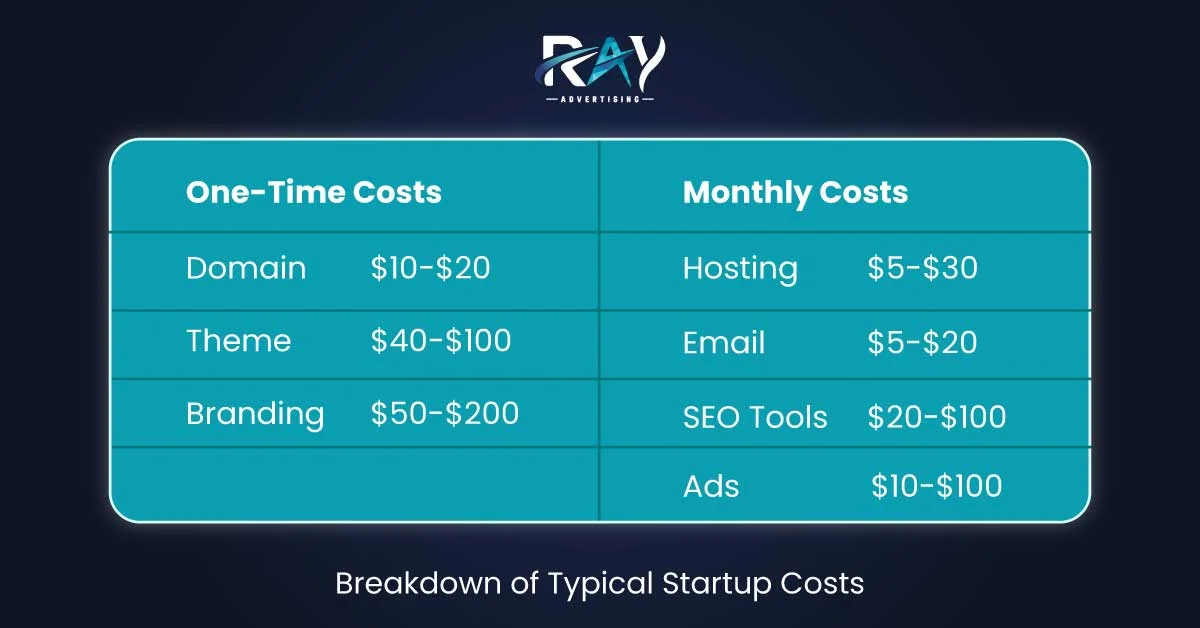
When starting affiliate marketing, some costs happen once. Others repeat every month. Here is a clear breakdown.
A. One-Time Costs
B. Monthly or Recurring Costs
Even with a small budget, unexpected costs can appear, such as taxes, affiliate program payout rules, content updates, or refunds. Being aware of these helps you plan your budget and avoid surprises.
This breakdown helps you see what is necessary and what you can skip if you want to start small.
If you plan to run paid ads, it’s important to know whether your campaigns are profitable. Compare what you earn from each sale to what you spend on ads.
For example, if a product pays you $15 per sale, and your ads cost $10 to get one buyer, you make a profit of $5. If the ad cost rises above $15 per sale, you start losing money.
Knowing this concept helps you plan your budget and avoid overspending, even if you don’t run ads yet. This is important as your affiliate marketing grows.
Starting affiliate marketing does not have to be expensive. Here are some ways to save money while growing your business:
By following these tips, you can start small, reduce risk, and invest wisely as you grow. Next, let’s discuss when it makes sense to start spending more to scale your affiliate marketing business.
You should increase your budget or tools only when there are clear signs that your affiliate marketing is working. Look for these signals:
These indicators help you spend wisely and grow without taking unnecessary risks.
Here are some trusted tools and platforms to help you get started with affiliate marketing on any budget.
(Note: Always compare prices and features; many of these offer free or low-cost plans.)
Start with one or two free tools, then upgrade only when you see consistent results. The best investment isn’t always the most expensive; it’s the one that saves you time and improves your conversions.
Starting affiliate marketing is flexible and depends on your approach:
The key is to start within your means, validate what works, and increase spending gradually as results and confidence grow.
Start Affiliate Marketing today with a platform like Ray Advertising and see what works for you.
The most affordable way to begin is by using free platforms like TikTok, YouTube, or Instagram. Create simple product reviews or helpful tips to build trust and test what works before investing in paid tools or ads.
A website becomes worth it once you start getting regular engagement or sales. It helps you appear on Google searches, build an email list, and create long-term, consistent traffic for your offers.
Yes, you can. Many successful affiliates thrive using organic methods. They often focus on SEO, email marketing, and regular content creation. Paid ads are useful later, once you know which products convert well.
Expect small recurring expenses for hosting, email tools, or analytics software if you run a website. It’s also smart to set aside a little extra for occasional updates, testing, or seasonal promotions.
Some costs aren’t obvious at first, like taxes, refund deductions, or affiliate program payout delays. Knowing these in advance helps you manage expectations and keep profits steady.
Start small and reinvest only a part of your profits into ads or better tools once you see steady results. This way, you can grow sustainably without risking too much upfront.
Begin with one niche and post short, useful videos or quick product reviews. Use free tools like YouTube Studio or TikTok Insights to track performance. This helps you see what drives clicks before you spend money.
How Internal Dashboards Improve Lead Predictabilit...
May 18, 2026
From Network to Direct Supply: How We Control the ...
May 12, 2026
Why API Lead Delivery Outperforms CSV Faster, Clea...
May 4, 2026

Multi-Step QA Explained: How We Stop Bad Leads Bef...
April 25, 2026
Duplicate Removal: Why Every Lead Counts Once...
April 23, 2026
What Is a High-Intent Lead Definition, Signals & S...
April 13, 2026

The Hidden Cost of Non-Compliant Leads (And Why Ch...
April 20, 2026
How We Maintain Lead Intent from First Click to Sa...
April 9, 2026
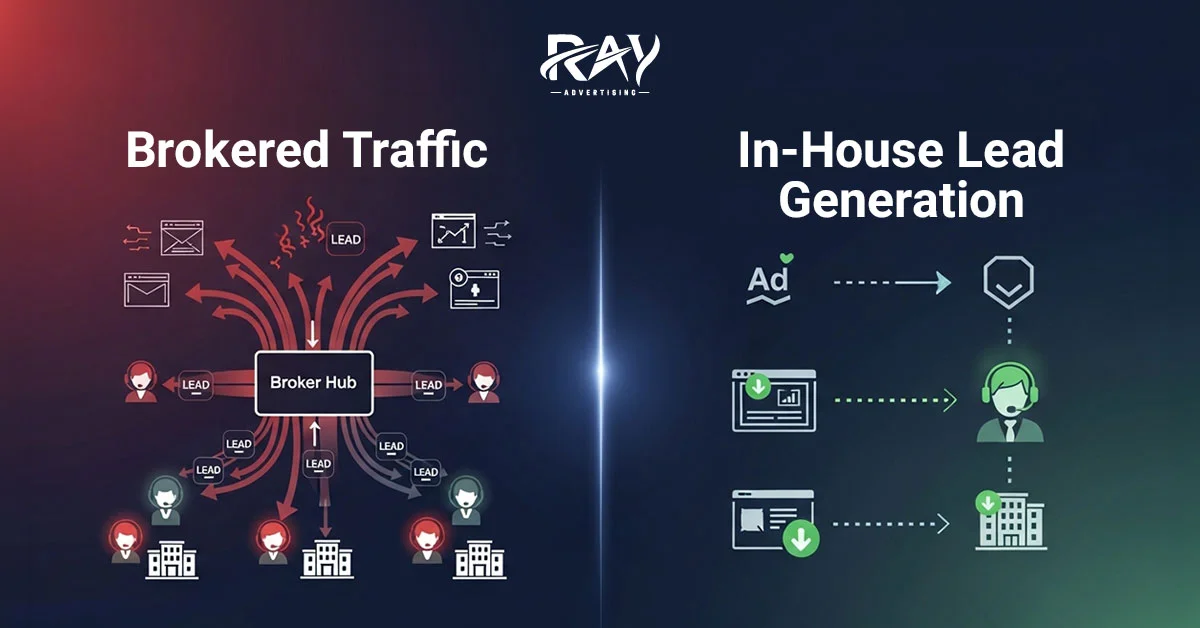
In-House Lead Generation vs Brokered Traffic...
April 1, 2026

Copyright © 2024 RAY ADVERTISING | All rights reserved