




People want to feel better. They want more energy, clearer skin, less stress, and a stronger body. But the wellness market is crowded. New products pop up every day. Many people feel unsure about what to trust.
Because of this, shoppers look to real voices. They follow trainers, coaches, and everyday people who share honest experiences. They want proof that something works before they spend money. This shift has changed how health and wellness brands grow.
Affiliate marketing connects brands with trusted voices. These affiliates explain products clearly. They show how to use them and share real results. Also, they address common concerns. This helps people understand the product and feel more confident when they purchase.
In this guide, you will learn how wellness brands can build a strong affiliate strategy. It explains how to choose the right partners and create valuable content. It also shows how to follow the rules and grow in a way that earns real trust.
Many people now invest in wellness. They purchase items such as vitamins and skincare products. They also buy fitness gear and tools for mental wellness. According to Statista, the global wellness market reached $6.8 trillion in 2024.
With so many options, buyers often feel unsure. They want proof that a product works.
This is where affiliates step in. A trusted affiliate speaks straight to the customer. This could be a coach, creator, or honest reviewer. The affiliate clearly explains the product and demonstrates its use. They also share real results and answer common questions. This builds trust fast.
For brands, trust matters. When people trust a recommendation, they feel confident to try the product. They may even come back again. That makes affiliate marketing a strong match for health and wellness brands.
The Health & Wellness Audience cares about safety, clarity, and proof. They want to know what’s inside a product. They want to trust its quality and see real results.
Many Americans are active wellness shoppers. Around 74% of U.S. adults take dietary supplements, and more than half (55%) of them are “regular users.”
Buyers want real evidence before making a purchase. They look for honest reviews and check clear ingredient lists. They want straightforward information about benefits or risks.
People buy wellness products to:
They avoid vague promises, unclear labels, or unknown brands.
That’s why honest voices such as reviewers, coaches, or creators matter very much. When someone respected speaks up, shoppers listen. That makes wellness buyers more likely to trust and buy with confidence.
The health and wellness market covers a wide range of products. Popular categories include supplements, skincare, fitness gear, digital wellness apps, and coaching programs. Each category attracts different buyers and requires a slightly different strategy.
Some products are high-margin but require high-trust. For example, certified supplements or science-backed wellness apps. Others are low-cost but easier to sell. It includes basic fitness gear or basic wellness tools. The key is balancing what earns well with what your audience will trust.
When choosing products, consider your audience’s priorities. Ask yourself: what matters most to your audience?
For example:
Before joining an affiliate program, check these details:
Finally, avoid products with vague claims, unclear labels, or unverified brands. Following these steps ensures you promote products that your audience trusts. It also helps maximize affiliate revenue.
Good content helps people decide. In health and wellness, it must feel honest and clear. That builds trust, making readers ready to buy.
Clear, helpful content builds confidence and reduces doubt. Combining blogs, videos, and guides reaches a wider audience. It also suits the different ways they learn.
In health and wellness, the audience trusts real people more than ads. Experts and honest influencers help turn interest into trust. That makes a big difference.
|
Type |
Best when you need… |
|
Medical professionals or certified nutritionists |
Scientific credibility, detailed health advice, confidence in safety, and legitimacy |
|
Wellness creators, coaches, fitness influencers |
Relatable lifestyle stories, daily‑use demonstrations, emotional appeal, and motivation |
Social media can grow your wellness brand and build trust. Each platform has its own style. So match your content to the platforms where your audience spends time.
Here’s a quick breakdown to help you pair each format with the right channel and goal:
|
Content Type |
Best Platforms |
How It Helps |
What to Include |
|
Short-form videos |
TikTok, Instagram Reels, YouTube Shorts |
Fast engagement and high visibility |
Before-and-after clips, daily routines, quick tips, real moments |
|
Long-form videos |
YouTube, IGTV |
Deeper guidance and stronger trust |
Step-by-step product use, clear explanations, safety notes, and real results |
|
Community content |
Facebook Groups, Instagram, Reddit |
Builds belonging and social proof |
User stories, shared experiences, comment prompts, testimonials |
|
“Safe claim” content |
All major platforms |
Keeps messaging compliant and honest |
Factual wording, clear benefits, no exaggerated promises |
Imagine a new customer signs up for your wellness newsletter. The first email welcomes them and shares a quick tip for better sleep. A few days later, they received a short guide on “How to use the supplement safely?” They start to trust your brand.
Next, they join your private Facebook group. They see other members sharing success stories and asking questions. They share their own experience and receive supportive replies. The sense of community makes them feel part of something bigger.
Meanwhile, your email reminders let them know when it’s time to reorder a subscription. Small incentives, like early access to a new wellness guide, keep them engaged. Over time, they become a loyal customer, confident in your products and advice.
The key is consistency. Keep emails helpful, clear, and personal. Encourage community interaction and support. Provide timely reminders for repeat purchases. Done right, email and community building turn first-time buyers into long-term fans.
Compliance is essential in the health and wellness brands. False claims or hidden disclosures can damage trust and lead to legal trouble. Affiliates must follow clear guidelines to remain credible and protected.
Affiliates must clearly disclose when they earn a commission. A simple statement meets FTC guidelines. For example: “I may earn a small commission if you purchase through this link.” Make sure it’s easy to notice and understand.
Transparency builds trust. When shoppers clearly understand a product and its benefits, they feel more confident. This makes them more likely to make a purchase. Ethical marketing strengthens that confidence and fosters long-term customer loyalty.
Tracking performance is key for any wellness affiliate program. Knowing which strategies work allows you to improve results and grow efficiently.
Tracking these metrics reveals which campaigns and affiliates generate meaningful performance and revenue.
Small changes can make a big difference. Testing helps you find what resonates with your audience.
Once you see consistent results, consider:
Focus on metrics, testing, and smart scaling. This ensures your affiliate program grows efficiently. It also helps maintain trust with your audience.
A long-term wellness affiliate brand isn’t just about quick sales. It relies on trust, consistency, and real value. Shoppers look for clear information and honest guidance. Brands that meet these needs grow steadily and earn loyal customers.
Key steps to build a long-lasting brand:
Why it works:
Customers feel safe buying. Affiliates feel confident promoting. Your brand grows steadily, with loyalty that lasts.
A strong wellness affiliate program relies on trust. Clear content and a smart strategy are essential. Choosing the right affiliates matters. Tracking results and following ethical practices drives growth.
Performance marketing partners, such as Ray Advertising, connect brands with quality affiliates. They provide tracking, reports, and insights. These tools support wellness companies in making smart decisions and growing programs efficiently.
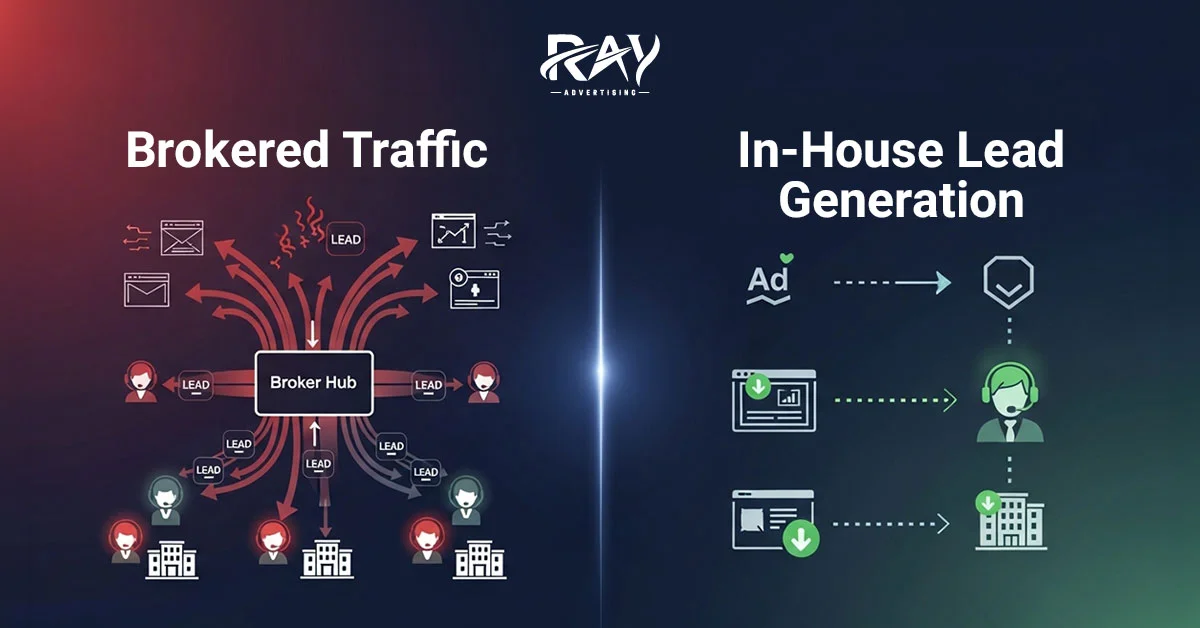
In-House Lead Generation vs Brokered Traffic...
April 1, 2026
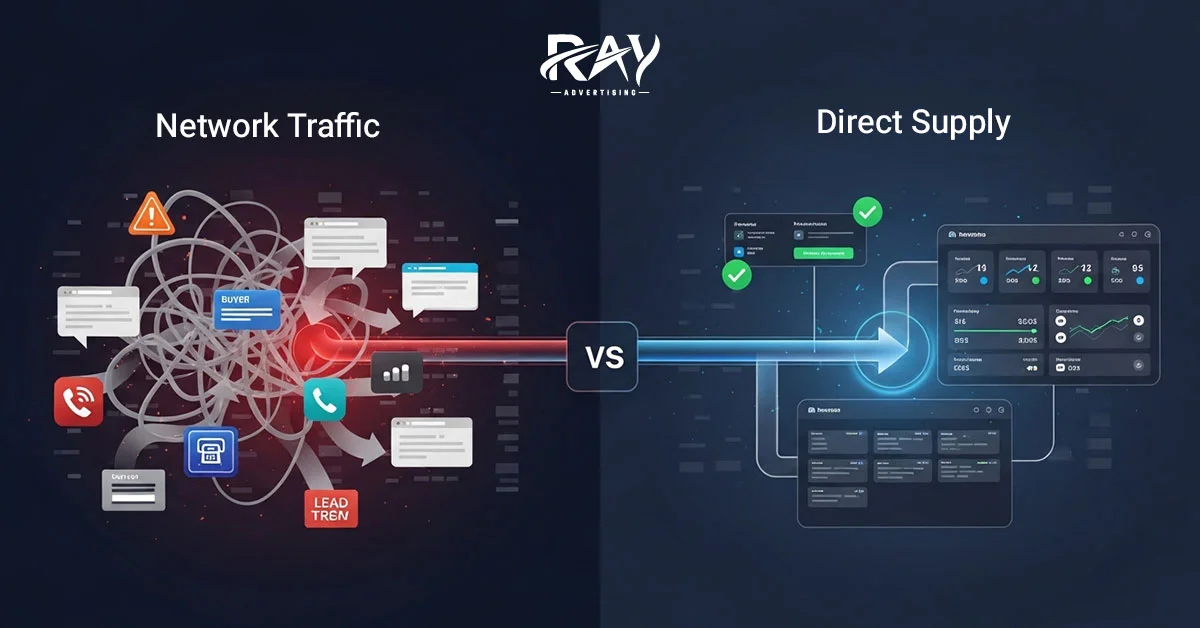
Direct Supply vs Network Traffic: What Buyers Shou...
March 30, 2026
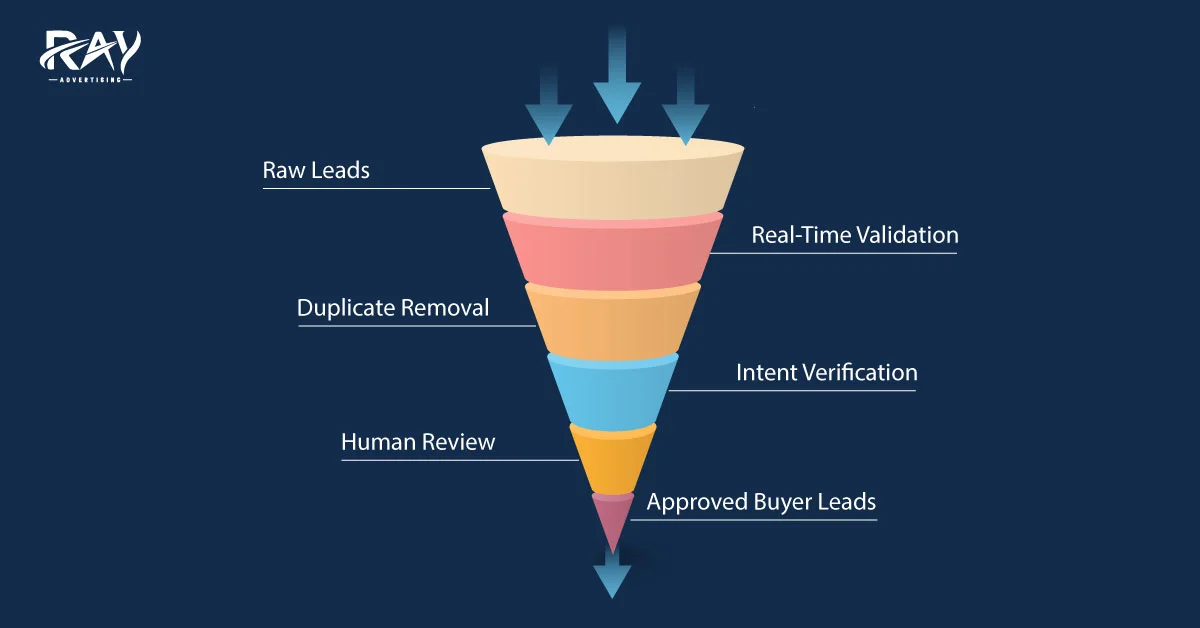
The Role of QA in Buyer Approval Rates
March 28, 2026

How We Audit Every Call Before Delivery
March 10, 2026

Behind the Shield: The Team Protecting Buyer Compl...
March 3, 2026

Multi-Layer In-House Call Validation Process...
February 28, 2026
How to Create High-Converting Landing Pages for Af...
February 26, 2026
Boosting Affiliate Marketing with Behavioral Targe...
February 23, 2026
How to Earn with Affiliate Marketing Content...
February 19, 2026

Copyright © 2024 RAY ADVERTISING | All rights reserved